

Introduction
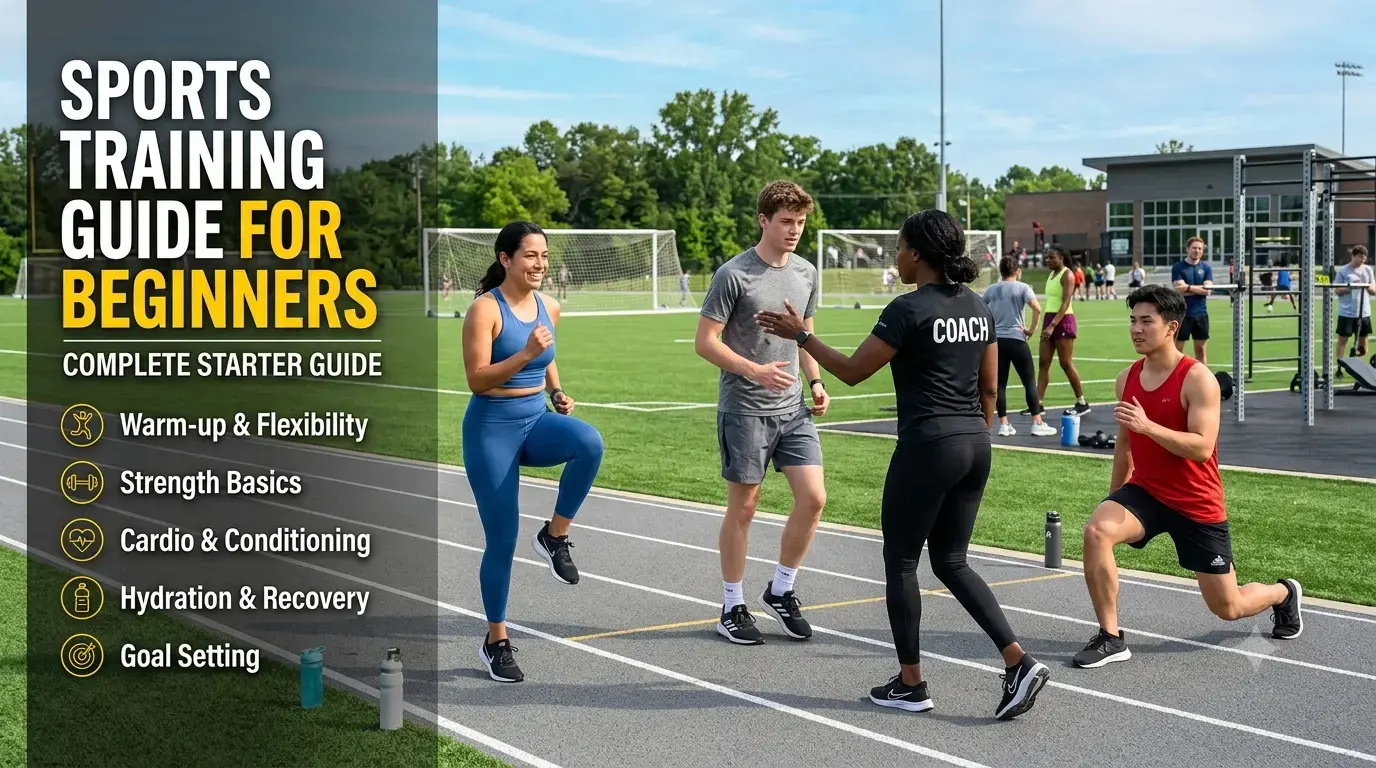
Starting a new sport is exciting, but it can also feel overwhelming when you don’t know where to begin. A proper Sports Training Guide for Beginners provides the foundation needed to build confidence, improve fitness, develop essential skills, and reduce the risk of injury. Whether your goal is to play football, basketball, tennis, cricket, volleyball, or simply become more active, following a structured training plan will help you achieve better results.
Many beginners believe that success depends only on talent. In reality, consistent practice, proper technique, balanced nutrition, and adequate recovery play much bigger roles. Every experienced athlete started as a beginner, learning the fundamentals before mastering advanced techniques. The key is to focus on gradual improvement rather than expecting immediate results.
This Sports Training Guide for Beginners explains how to prepare your body, create an effective training routine, improve athletic performance, and stay motivated throughout your journey. You’ll also learn common mistakes to avoid and practical tips used by coaches to help athletes progress safely. By applying these strategies consistently, you’ll build strength, endurance, coordination, and confidence while enjoying every stage of your sporting experience.
What is Sports Training Guide for Beginners?
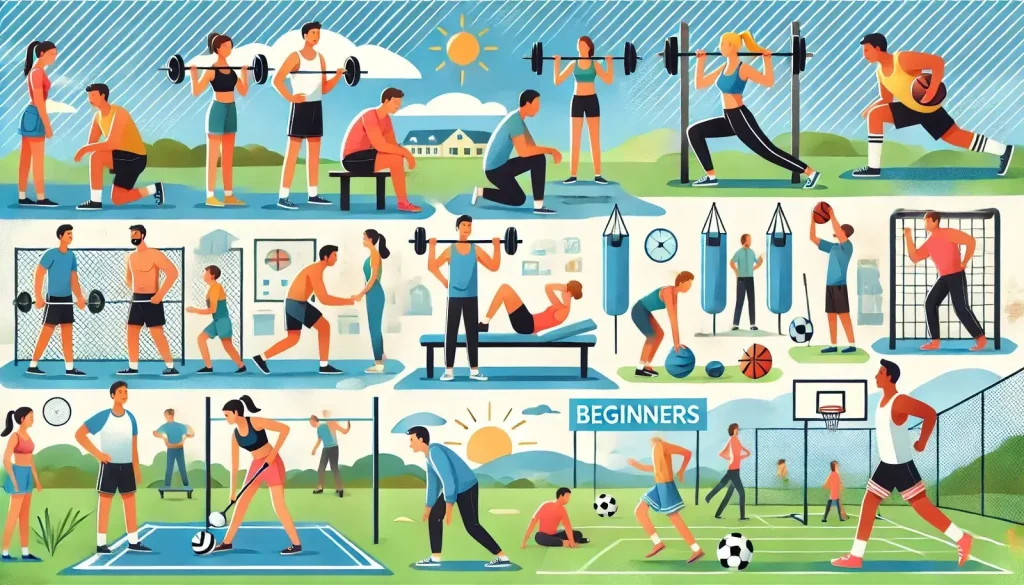
A Sports Training Guide for Beginners is a structured approach that teaches new athletes how to train safely and effectively. Instead of exercising randomly, beginners follow a planned routine that develops fitness, technical skills, mental focus, and healthy habits.
A complete beginner’s training program usually includes:
- Warm-up exercises
- Skill development
- Strength training
- Cardiovascular fitness
- Flexibility and mobility work
- Recovery sessions
- Proper nutrition
- Hydration
- Goal setting
- Performance tracking
The purpose is not only to improve performance but also to establish habits that support long-term athletic development.
Why is Sports Training Guide for Beginners Important?
Following a structured training guide offers several advantages over unplanned workouts.
Some of the biggest benefits include:
- Builds proper technique from the start.
- Reduces injury risk.
- Improves overall fitness.
- Increases confidence.
- Creates consistent progress.
- Prevents overtraining.
- Develops discipline.
- Makes workouts more enjoyable.
- Helps achieve goals faster.
- Encourages healthy lifestyle habits.
Without proper guidance, beginners often train too hard, skip important fundamentals, or lose motivation after only a few weeks.
Detailed Step-by-Step Guide
Step 1: Set Clear Goals
Every successful training program begins with realistic goals.
Ask yourself questions like:
- Why do I want to play this sport?
- What skills do I want to improve?
- How many days each week can I train?
- Am I training for fun, fitness, or competition?
Examples of beginner goals include:
- Improve endurance.
- Learn basic techniques.
- Lose weight.
- Build strength.
- Join a local team.
- Complete a full practice session comfortably.
Setting measurable goals keeps motivation high and makes progress easier to track.
Step 2: Choose the Right Sport
Not every sport suits every individual.
Consider factors such as:
- Personal interests
- Physical fitness
- Available facilities
- Budget
- Time commitment
- Age
- Previous experience
Enjoyment is one of the strongest predictors of long-term success.
Step 3: Get the Proper Equipment
Using appropriate equipment improves both safety and performance.
Depending on your sport, you may need:
- Comfortable sports shoes
- Breathable clothing
- Protective gear
- Water bottle
- Sports bag
- Training cones
- Resistance bands
- Gloves or rackets
- Shin guards or helmets where required
Quality equipment doesn’t need to be expensive, especially when starting.
Step 4: Always Warm Up
Never skip your warm-up.
A proper warm-up prepares your muscles, joints, and cardiovascular system for exercise.
A typical warm-up includes:
- Light jogging
- Jumping jacks
- High knees
- Arm circles
- Leg swings
- Dynamic stretches
Spend about 10–15 minutes warming up before every session.
Benefits include:
- Better flexibility
- Increased blood flow
- Faster reactions
- Reduced injury risk
- Improved performance
Step 5: Learn the Basic Skills
Mastering fundamentals should always come before advanced techniques.
For example:
Football
Practice:
- Passing
- Dribbling
- Shooting
- Ball control
- First touch
Basketball
Focus on:
- Dribbling
- Passing
- Shooting
- Footwork
- Defensive positioning
Cricket
Work on:
- Batting stance
- Bowling action
- Catching
- Throwing accuracy
- Fielding
Strong fundamentals create a solid base for future improvement.
Step 6: Improve Overall Fitness
Sports require more than technical ability.
A balanced fitness routine should include:
Cardiovascular Training
Examples include:
- Running
- Cycling
- Swimming
- Rowing
- Skipping rope
Aim for 20–40 minutes several times each week.
Strength Training
Bodyweight exercises are excellent for beginners.
Include:
- Push-ups
- Squats
- Lunges
- Planks
- Glute bridges
- Step-ups
Start with proper form before increasing repetitions.
Flexibility Training
Stretch regularly to improve mobility.
Good flexibility helps with:
- Better movement
- Faster recovery
- Injury prevention
- Improved posture
Yoga and mobility exercises are excellent additions to any training plan.
Step 7: Follow a Weekly Training Schedule
Consistency matters more than intensity.
A beginner schedule may look like this:
Monday
- Cardio
- Basic skill practice
Tuesday
- Strength training
- Stretching
Wednesday
- Skill development
- Light recovery
Thursday
- Endurance workout
- Technique drills
Friday
- Strength training
- Balance exercises
Saturday
- Practice game
- Team training
Sunday
- Rest
- Recovery
- Mobility work
Following a routine helps your body adapt steadily while avoiding excessive fatigue.
Step 8: Eat a Balanced Diet
Nutrition plays a major role in athletic performance. Your body needs quality fuel to train effectively and recover after each session.
Focus on including:
- Lean proteins such as chicken, fish, eggs, beans, and yogurt for muscle repair.
- Complex carbohydrates like brown rice, oats, whole-grain bread, and sweet potatoes for lasting energy.
- Healthy fats from nuts, seeds, avocados, and olive oil to support overall health.
- Plenty of fruits and vegetables to supply essential vitamins, minerals, and antioxidants.
Avoid relying heavily on sugary snacks or highly processed foods before training. Eating balanced meals throughout the day provides consistent energy and supports long-term progress.
Step 9: Stay Hydrated
Hydration is often overlooked, yet it directly affects performance, concentration, and recovery.
Drink water:
- Before training.
- During long or intense sessions.
- Immediately after exercise.
- Throughout the day, even on rest days.
Dehydration can lead to fatigue, muscle cramps, headaches, and reduced endurance. Keeping a water bottle nearby is a simple habit that makes a big difference.
Step 10: Prioritize Recovery
Training improves your body only when it is balanced with proper recovery. Muscles repair and grow stronger during rest, making recovery just as important as exercise itself.
Healthy recovery habits include:
- Sleeping 7–9 hours each night.
- Taking at least one full rest day each week.
- Performing light stretching after workouts.
- Using foam rolling or gentle mobility exercises.
- Eating a nutritious post-workout meal within a reasonable time after training.
Remember, progress comes from consistency over time—not from pushing yourself to exhaustion every day.
Step 11: Track Your Progress
One of the most effective ways to stay motivated is to measure your improvement. Keeping a training journal or using a fitness app allows you to see how far you’ve come.
Record details such as:
- Training sessions completed
- Running distance or time
- Strength improvements
- New skills learned
- Personal best performances
- Areas that need improvement
Reviewing your progress every few weeks helps you adjust your training plan and celebrate small victories. Even gradual improvements are signs that your hard work is paying off.
Benefits of Sports Training Guide for Beginners
Following a structured Sports Training Guide for Beginners provides both short-term and long-term advantages.
Some of the biggest benefits include:
- Improves overall physical fitness.
- Builds muscular strength and endurance.
- Enhances cardiovascular health.
- Develops coordination and balance.
- Increases flexibility and mobility.
- Reduces the risk of sports injuries.
- Boosts confidence and self-esteem.
- Improves focus and mental discipline.
- Encourages teamwork and communication.
- Helps maintain a healthy body weight.
- Creates positive daily habits.
- Improves sleep quality.
- Increases energy levels.
- Supports long-term athletic development.
- Makes learning new sports easier.
These benefits extend beyond sports and contribute to a healthier, more active lifestyle.
Disadvantages / Risks
Although sports training offers many rewards, beginners should also understand the possible challenges.
Some common risks include:
- Muscle soreness during the early weeks.
- Minor injuries caused by poor technique.
- Overtraining without adequate rest.
- Loss of motivation if expectations are unrealistic.
- Fatigue from excessive exercise.
- Dehydration when fluids are ignored.
- Burnout from training too frequently.
- Higher costs for equipment or coaching.
- Slow progress if workouts lack consistency.
- Frustration when comparing yourself with experienced athletes.
Most of these risks can be minimized by following a balanced training plan, listening to your body, and progressing gradually.
Common Mistakes to Avoid
Many beginners make similar mistakes that slow their progress. Recognizing these early can save time and prevent unnecessary setbacks.
Skipping Warm-Ups
Starting intense exercise without preparing your muscles increases the likelihood of strains and other injuries.
Ignoring Proper Technique
Good technique should always come before speed or strength. Learning the basics correctly builds a strong foundation for future improvement.
Training Too Much
More training is not always better. Overtraining reduces performance, increases fatigue, and raises the risk of injury.
Neglecting Recovery
Rest days are essential. Without recovery, your body cannot repair muscles or adapt to increasing workloads.
Poor Nutrition
Eating too little or relying on unhealthy foods limits your body’s ability to perform and recover effectively.
Comparing Yourself to Others
Everyone progresses at a different pace. Focus on improving your own performance rather than trying to match someone else’s journey.
Setting Unrealistic Goals
Expecting dramatic results within a few weeks often leads to disappointment. Sustainable progress comes from patience and consistency.
Forgetting to Stay Hydrated
Even mild dehydration can reduce strength, endurance, and concentration during training sessions.
FAQs
1. How often should beginners train?
Most beginners benefit from training three to five days per week. This schedule provides enough practice while allowing adequate recovery between sessions.
2. How long should each training session last?
A typical beginner workout lasts between 45 and 60 minutes, including the warm-up and cool-down. As fitness improves, training duration can gradually increase.
3. Do I need expensive equipment?
No. Many sports can be started with basic equipment such as comfortable athletic shoes, suitable clothing, and sport-specific gear. Quality matters, but beginners do not need the most expensive products.
4. What should I eat before training?
A light meal containing carbohydrates and a moderate amount of protein about one to two hours before exercise provides energy for training. Examples include oatmeal with fruit, whole-grain toast with eggs, or yogurt with berries.
5. How can I stay motivated?
Set realistic goals, monitor your progress, celebrate small achievements, train with friends when possible, and choose activities that you genuinely enjoy.
6. Is strength training important for beginners?
Yes. Strength training improves stability, power, injury prevention, and overall athletic performance. Bodyweight exercises are an excellent starting point before progressing to heavier resistance.
7. What should I do if I miss a workout?
Missing an occasional session is completely normal. Simply return to your regular schedule instead of trying to make up for missed workouts by training excessively.
Expert Tips & Bonus Points
If you want to improve faster while staying healthy, keep these expert recommendations in mind.
Build Consistency First
Regular training produces better results than occasional intense workouts. Establish a routine you can maintain over the long term.
Focus on Technique
Perfecting your form before increasing speed or intensity helps improve performance and reduces injury risk.
Listen to Your Body
Minor soreness is common, but persistent pain should never be ignored. Rest when needed and avoid pushing through injuries.
Train Every Area of Fitness
Balance skill practice with strength, endurance, flexibility, and recovery. A well-rounded athlete performs better than one who focuses on only one aspect.
Stay Positive
Progress is rarely linear. Some weeks will feel easier than others, but consistent effort leads to lasting improvement.
Learn From Experienced Coaches
Constructive feedback helps identify weaknesses and correct mistakes before they become habits.
Enjoy the Process
The best athletes continue improving because they enjoy learning, practicing, and challenging themselves rather than focusing only on winning.
Bonus Tip: Review your goals every month. As your fitness and skills improve, adjust your training plan to keep challenging yourself without sacrificing proper technique or recovery.
Conclusion
A well-planned Sports Training Guide for Beginners provides the structure needed to develop athletic skills, improve fitness, and build confidence. Instead of relying on guesswork, beginners who follow a balanced training program learn proper techniques, reduce the risk of injury, and create healthy habits that support long-term success. Every training session, no matter how simple, contributes to steady improvement when combined with patience and consistency.
Remember that becoming a better athlete is a gradual process. Progress does not happen overnight, and comparing yourself to experienced players can reduce motivation. Focus on mastering the fundamentals, staying active, eating nutritious meals, drinking enough water, and giving your body the rest it needs to recover. Small improvements made consistently often lead to impressive results over time.
Equally important is maintaining a positive mindset. Challenges, setbacks, and slower days are a natural part of every athlete’s journey. Treat each practice session as an opportunity to learn rather than a test of perfection. By staying committed to your goals and enjoying the process, you will continue developing both physically and mentally.
Whether your ambition is to compete professionally, join a local team, or simply lead a healthier lifestyle, this Sports Training Guide for Beginners offers the essential knowledge to begin with confidence. Stay consistent, remain patient, and keep learning. With dedication and the right approach, today’s beginner can become tomorrow’s skilled and confident athlete.
