
Introduction
Getting started in sports is an exciting journey, but choosing the right equipment can feel overwhelming. With so many brands, models, and price ranges available, beginners often struggle to decide which gear is worth buying. The good news is that you don’t need the most expensive equipment to enjoy your favorite sport or improve your skills. What matters most is selecting sports equipment that matches your experience level, fits properly, and provides comfort and safety.
The best sports equipment for beginners is designed to help new players learn the basics without unnecessary complications. Whether you’re interested in football, cricket, badminton, tennis, basketball, running, cycling, or fitness training, having the right gear makes practice more enjoyable and helps reduce the risk of injuries. Good-quality equipment also builds confidence, allowing you to focus on developing your skills instead of worrying about uncomfortable or poorly made gear.
Another important factor is value for money. Many beginners believe they must spend a large amount to get started, but that’s not true. Today, many affordable sports products offer excellent quality, durability, and performance. By understanding what features to look for, you can make smart purchasing decisions that fit your budget while still meeting your needs.
This guide explains everything you need to know about selecting the best sports equipment for beginners. From understanding the basics to choosing gear step by step, you’ll learn how to invest wisely and enjoy your sporting journey with confidence.
What is Best Sports Equipment for Beginners?

The best sports equipment for beginners refers to gear specifically chosen to help new players learn comfortably, safely, and efficiently. Instead of focusing on professional-grade products, beginner equipment emphasizes ease of use, durability, affordability, and proper protection.
Quality beginner equipment generally offers:
- Comfortable design
- Reliable performance
- Good durability
- Affordable pricing
- Easy maintenance
- Appropriate safety features
For example, a beginner cricket player doesn’t need a professional-grade bat used in competitive leagues. A lightweight bat with good balance is often a better choice because it helps improve technique while reducing fatigue.
Similarly, beginner runners benefit more from supportive running shoes than expensive racing shoes. Proper cushioning and comfort matter far more during the learning stage.
Choosing suitable equipment allows beginners to build confidence gradually while enjoying consistent improvement.
Why is Best Sports Equipment for Beginners Important?

Many people underestimate how much equipment affects performance. While skill develops through practice, the right gear creates an environment where learning becomes easier and safer.
Here are some reasons why beginner-friendly equipment matters.
Improves Safety
Protective equipment significantly reduces the chances of injuries. Helmets, pads, gloves, mouthguards, and supportive footwear protect beginners while they learn proper techniques.
Builds Confidence
Comfortable equipment allows beginners to focus on developing skills instead of struggling with uncomfortable or oversized gear.
Enhances Performance
Properly selected equipment makes movements smoother, improves control, and helps players perform techniques correctly from the beginning.
Saves Money
Buying suitable beginner equipment prevents unnecessary spending on professional gear that may not match your current skill level.
Encourages Long-Term Participation
Enjoyable experiences motivate beginners to continue practicing, leading to better fitness and improved sporting abilities over time.
Step-by-Step Guide to Choosing the Best Sports Equipment for Beginners
Step 1: Identify Your Sport
Before buying anything, decide which sport you plan to play regularly.
Different sports require different equipment. Purchasing gear before choosing your sport often leads to wasted money.
Ask yourself:
- Which sport do I enjoy most?
- Will I play indoors or outdoors?
- Is this a recreational hobby or a competitive goal?
- How often will I practice?
Having clear answers helps narrow your equipment choices.
Step 2: Set a Realistic Budget
Beginners don’t need premium equipment.
Instead, divide your budget into categories:
- Essential equipment
- Safety gear
- Clothing
- Accessories
- Future upgrades
A balanced budget prevents overspending while ensuring you buy everything necessary.
Remember that investing in safety equipment should always take priority over buying premium accessories.
Step 3: Prioritize Safety Equipment
Safety should always come first.
Depending on your sport, you may need:
- Helmets
- Knee pads
- Elbow pads
- Shin guards
- Gloves
- Mouthguards
- Protective eyewear
Ignoring protective gear can increase the risk of injuries, especially while learning new techniques.
Quality safety equipment often lasts several years, making it a worthwhile investment.
Step 4: Choose the Correct Size
One of the biggest mistakes beginners make is buying equipment that’s too large or too small.
Proper sizing improves:
- Comfort
- Balance
- Performance
- Safety
- Confidence
Examples include:
- Running shoes should provide enough room for your toes while fitting securely around the heel.
- Cricket bats should match your height and strength.
- Tennis rackets should have an appropriate grip size.
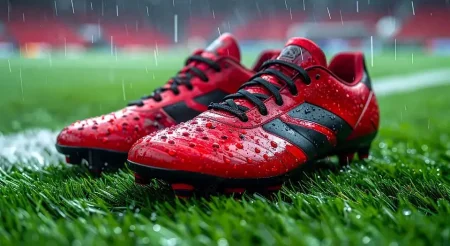
- Football boots should fit snugly without causing discomfort.
Whenever possible, try equipment before purchasing.
Step 5: Focus on Quality Instead of Brand Names
Many beginners assume expensive brands automatically mean better performance.
In reality, quality matters more than the logo.
Look for equipment that offers:
- Strong construction
- Comfortable materials
- Good customer reviews
- Reliable durability
- Manufacturer warranty
A well-made budget product often performs better for beginners than an expensive professional model designed for advanced athletes.
Step 6: Consider Comfort and Ease of Use
Comfort directly affects your learning experience.
Choose equipment that feels natural during practice. Lightweight products are often easier for beginners to handle because they reduce fatigue and improve control.
Features worth considering include:
- Breathable materials
- Adjustable straps
- Soft grips
- Lightweight construction
- Easy maintenance
The more comfortable your equipment is, the more likely you are to practice consistently and enjoy your chosen sport.
Step 7: Read Reviews and Compare Products
Before making a purchase, spend some time comparing different products. Reading customer reviews can give you valuable insight into the durability, comfort, and overall performance of sports equipment. While every review should be taken with a balanced perspective, consistent positive feedback is often a good sign that a product delivers on its promises.
Compare features such as:
- Build quality
- Weight
- Material
- Warranty
- Price
- Ease of maintenance
Avoid choosing equipment based only on appearance or advertising. Practical performance is far more important, especially for beginners.
Step 8: Buy from Trusted Sellers
Purchasing sports equipment from reputable stores helps ensure that you receive genuine products with proper warranties and customer support. Trusted retailers are also more likely to provide accurate sizing information and allow exchanges if needed.
When buying online, check:
- Seller ratings
- Product descriptions
- Return policy
- Warranty information
- Verified customer reviews
Buying authentic equipment reduces the chances of receiving low-quality or counterfeit products.
Benefits of Best Sports Equipment for Beginners
Choosing the right beginner-friendly sports equipment offers numerous advantages beyond simply improving performance.
Some of the key benefits include:
- Improves safety during training and matches.
- Helps beginners learn proper techniques.
- Increases confidence while practicing.
- Reduces physical strain and fatigue.
- Provides better comfort during long sessions.
- Offers excellent value for money.
- Encourages regular participation in sports.
- Supports gradual skill development.
- Reduces the likelihood of injuries.
- Lasts longer with proper care and maintenance.
Investing in suitable equipment creates a positive experience that motivates beginners to continue improving.
Disadvantages / Risks
Although quality beginner equipment has many advantages, there are a few limitations to keep in mind.
- Cheaper products may wear out faster with heavy use.
- Entry-level equipment may lack advanced features.
- Incorrect sizing can reduce comfort and performance.
- Buying unnecessary accessories can increase costs.
- Poor-quality products may compromise safety.
- Some equipment requires regular maintenance.
- Outgrowing beginner gear may require future upgrades.
Fortunately, most of these risks can be avoided by researching products carefully before making a purchase.
Common Mistakes to Avoid
Many beginners unknowingly make mistakes that affect both their budget and performance.
Buying the Most Expensive Equipment
Professional athletes use advanced equipment because they have developed the skills to benefit from it. Beginners usually gain more from simple, easy-to-use gear.
Ignoring Safety Gear
Never skip protective equipment to save money. Safety should always be your highest priority.
Choosing the Wrong Size
Poorly fitting equipment reduces comfort, affects performance, and may even increase injury risk.
Buying Everything at Once
Purchase essential equipment first. As your skills improve, you can gradually invest in additional accessories.
Not Researching Products
Take time to compare features, read reviews, and understand the purpose of each item before buying.
Ignoring Maintenance
Cleaning and storing equipment properly extends its lifespan and keeps it performing well.
Following Trends Instead of Needs
Just because a professional athlete uses certain equipment doesn’t mean it’s the best option for beginners.
FAQs
What is the most important sports equipment for beginners?
The most important equipment depends on the sport you choose. However, properly fitting footwear and appropriate protective gear are essential for nearly every sport because they improve safety and comfort.
Should beginners buy expensive sports equipment?
No. Beginners usually benefit more from reliable, mid-range equipment that provides good quality without unnecessary professional features.
How often should sports equipment be replaced?
Replacement depends on usage and wear. Shoes may need replacing after heavy use, while protective gear and other equipment should be replaced if damaged or no longer fits properly.
Is used sports equipment a good option?
Used equipment can be an excellent choice if it remains in good condition. However, avoid buying second-hand safety gear such as helmets if you cannot verify its history or structural integrity.
How can I make my sports equipment last longer?
Clean equipment regularly, store it in a dry place, follow manufacturer care instructions, and inspect it for signs of wear after each season.
Can one set of equipment be used for multiple sports?
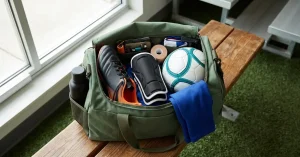
Some items, such as athletic clothing, water bottles, gym bags, and certain training accessories, can be used across different sports. However, most sports require specialized equipment designed for their unique movements and safety requirements.
Expert Tips & Bonus Points
Choosing the best sports equipment for beginners becomes much easier when you focus on your long-term goals instead of short-term trends.
Keep these expert tips in mind:
- Start with essential equipment before buying accessories.
- Always prioritize comfort over appearance.
- Replace damaged safety equipment immediately.
- Learn the correct way to use each piece of equipment.
- Practice regularly to maximize the value of your investment.
- Keep equipment clean after every session.
- Store gear in a cool, dry location.
- Upgrade gradually as your skills improve.
- Buy from reputable retailers to ensure product authenticity.
- Remember that consistent practice matters far more than owning expensive gear.
Following these tips will help you build confidence, improve performance, and enjoy sports for years to come.
Conclusion

Selecting the best sports equipment for beginners is one of the smartest investments you can make when starting your sporting journey. The right gear provides comfort, improves safety, supports skill development, and allows you to enjoy every practice session with greater confidence. Instead of focusing on expensive professional products, beginners should prioritize equipment that fits properly, offers reliable quality, and matches their current ability level.
A thoughtful buying process can also save money in the long run. By identifying your sport, setting a realistic budget, choosing the correct size, prioritizing protective gear, and purchasing from trusted sellers, you can avoid many of the common mistakes that new players make. As your skills improve, you can gradually upgrade your equipment to match your growing experience without unnecessary expense.
Remember that success in sports is built on consistent practice, dedication, and a willingness to learn. Even the most advanced equipment cannot replace proper training and determination. However, using suitable beginner-friendly gear creates a safer and more enjoyable environment where learning becomes easier and more rewarding.
Whether your goal is improving your fitness, competing with friends, or eventually reaching a higher level of competition, investing in quality beginner equipment is the first step toward long-term success. Make informed decisions, care for your equipment properly, and enjoy every stage of your athletic journey with confidence.
This completes the article with all the required sections: SEO title, meta title, meta description, introduction, explanation, importance, step-by-step guide, benefits, disadvantages, common mistakes, 6 FAQs, expert tips, and a concluding section.
Choosing the best sports equipment for beginners is one of the most important steps toward building a safe, enjoyable, and successful sporting experience. While enthusiasm and dedication play a major role in improving athletic performance, the equipment you use can significantly influence your comfort, confidence, and ability to learn new skills. Beginners often assume they need the same expensive gear used by professional athletes, but in reality, selecting equipment that matches your current skill level is far more beneficial. Well-designed beginner-friendly gear allows you to focus on learning the fundamentals without feeling overwhelmed by advanced features that you may not yet need.
Another important consideration is safety. Every sport carries some level of physical risk, whether it involves running, jumping, cycling, striking a ball, or making quick directional changes. Using properly fitted helmets, protective pads, gloves, supportive footwear, or other safety equipment greatly reduces the chances of injuries. Feeling protected also gives beginners the confidence to practice consistently and develop new techniques without unnecessary fear. A safe learning environment encourages long-term participation, which is essential for steady improvement.
Budget is another factor that should never be overlooked. Fortunately, getting started in sports does not require a large financial investment. Many trusted manufacturers produce affordable equipment that offers impressive durability, comfort, and performance. Instead of spending all your money on premium products, focus on purchasing reliable essentials that meet your immediate needs. As your experience grows and your skills improve, you can gradually upgrade to more advanced equipment based on your goals and playing style. This approach helps you avoid unnecessary expenses while ensuring every purchase provides real value.
It is also worth remembering that maintaining your sports equipment is just as important as choosing it wisely. Cleaning your gear after use, storing it in a dry and secure location, and regularly checking for signs of wear can extend its lifespan considerably. Proper maintenance not only saves money by reducing replacement costs but also ensures that your equipment continues to perform safely and effectively. Even high-quality products can lose their effectiveness if they are neglected over time.
Ultimately, success in sports is not determined by the price tag of your equipment but by your commitment to consistent practice, patience, and continuous learning. The best sports equipment for beginners serves as a reliable foundation that supports your progress, protects your health, and enhances your overall experience. By making informed purchasing decisions and investing in gear that suits your current abilities, you set yourself up for steady improvement and long-term enjoyment in whichever sport you choose.
As you continue your sporting journey, remember that improvement takes time and consistent effort. Every athlete, regardless of their current skill level, started as a beginner. The difference between those who succeed and those who give up is often their willingness to keep learning and practicing. The right equipment can make this journey more enjoyable by providing comfort, stability, and confidence during every training session. Instead of comparing yourself to experienced players, focus on your own progress and celebrate small achievements along the way. Each practice session brings valuable experience that helps you build stronger skills and greater confidence.
It is also helpful to think of sports equipment as a long-term investment rather than a one-time purchase. High-quality beginner gear may cost slightly more than the cheapest available options, but it often lasts longer, performs better, and provides greater comfort. Investing in durable equipment can reduce replacement costs over time and improve your overall sporting experience. Before making future purchases, evaluate your needs carefully and consider whether upgrading your equipment will genuinely help you reach your next level of performance.
Another important aspect is choosing equipment that matches your personal goals. Some beginners simply want to stay active and improve their fitness, while others hope to participate in local competitions or eventually play at a professional level. Understanding your objectives will help you make smarter buying decisions. Recreational players may only require reliable basic equipment, whereas those planning to compete seriously may gradually benefit from more advanced gear as their skills develop. Making purchases based on your actual needs prevents unnecessary spending and ensures you get the best value for your money.
Don’t overlook the importance of proper training alongside quality equipment. Even the best sports equipment for beginners cannot replace good technique, regular practice, and guidance from experienced coaches or instructors. Learning the correct fundamentals from the beginning helps prevent bad habits that can be difficult to correct later. Combining proper instruction with suitable equipment creates the ideal environment for steady improvement and long-term success.
Consistency is another key factor that often separates successful athletes from those who lose motivation. Establishing a regular practice schedule, setting realistic goals, and tracking your progress can help you stay committed. Comfortable and dependable equipment makes it easier to maintain this routine because you can focus on enjoying the sport instead of dealing with uncomfortable or poorly fitting gear. Over time, these consistent efforts lead to noticeable improvements in both skill and physical fitness.
Finally, remember that sports are about much more than winning. They promote physical health, improve mental well-being, build discipline, encourage teamwork, and teach valuable life skills such as perseverance, responsibility, and confidence. By selecting the best sports equipment for beginners, you are not only preparing yourself to perform better but also creating the foundation for a healthier and more active lifestyle. Whether you choose football, cricket, basketball, badminton, tennis, cycling, running, or any other activity, the right equipment will support your progress every step of the way.
Take your time when selecting your gear, compare your options carefully, and prioritize safety, comfort, and quality over brand names or trends. With the right mindset, consistent practice, and dependable equipment, you’ll be well prepared to enjoy every stage of your sporting journey. Every expert athlete was once a beginner, and your journey starts with making informed choices today. By investing wisely and staying dedicated to continuous improvement, you can build the confidence, skills, and experience needed to achieve your personal goals while enjoying all the physical, mental, and social benefits that sports have to offer.