

Stepping into the world of fitness and athletics is an incredibly exciting journey. Whether you are aiming to run your first 5K, join a local weekend soccer league, or build a dedicated workout routine, the choices you make early on set the foundation for your long-term success. However, walking into a sporting goods store or browsing online retail sites can quickly become a dizzying experience. With thousands of products, high-tech features, and aggressive marketing campaigns flashing before your eyes, it is remarkably easy to feel overwhelmed.
Many aspiring athletes make the mistake of buying the most expensive items on the shelf, assuming that a higher price tag naturally guarantees better performance. Others try to save too much money, only to end up with low-quality items that break down within weeks or, worse, cause painful physical injuries. Finding the sweet spot between performance, safety, and price requires a careful approach.
This comprehensive sports gear buying guide and reviews will strip away the confusing jargon and give you a clear roadmap. We will explore how to analyze your current skill level, understand exactly what makes equipment safe, and invest your hard-earned money wisely. By the end of this article, you will have the knowledge needed to make confident purchasing decisions that support your athletic growth.
What is a Sports Gear Buying Guide and Reviews?
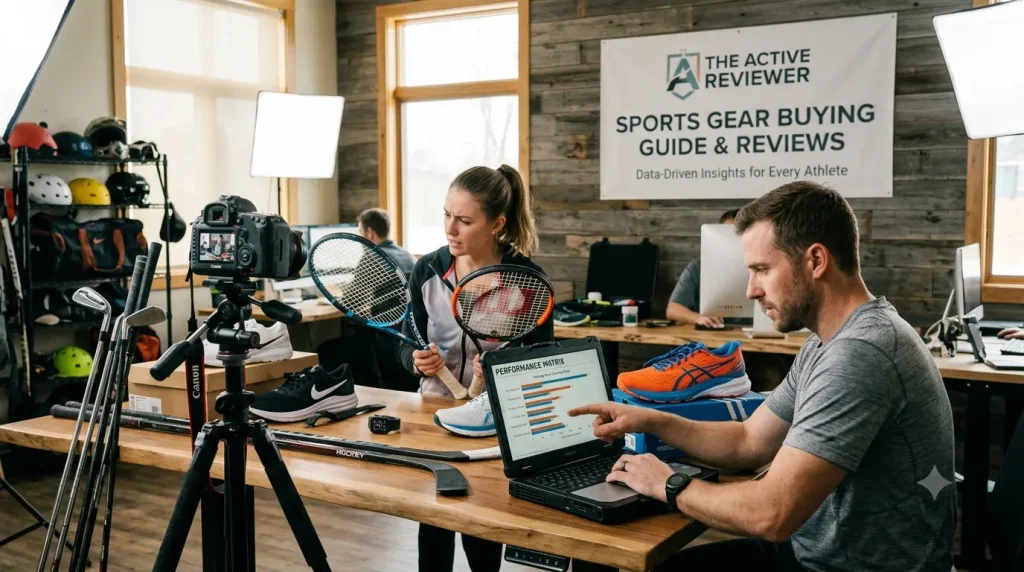
A sports gear buying guide and reviews is a structured framework designed to help consumers evaluate, compare, and select athletic equipment tailored to their unique needs. Rather than relying on flashy advertisements, these guides break down products by material composition, technical specifications, structural durability, and specific user skill levels. They act as an analytical filter, sorting through the vast commercial landscape to match an athlete with the tools that will enhance their journey rather than hinder it.
For beginner and intermediate players, a reliable guide serves as a protective barrier against predatory marketing. These reviews analyze real-world performance data, testing how gear holds up under repetitive stress, varying weather conditions, and everyday wear and tear. Ultimately, this resource translates complex sports engineering into practical advice, allowing you to understand how a product functions before you swipe your credit card.
Why is a Sports Gear Buying Guide and Reviews Important?
Navigating the athletic market without a proper plan is a recipe for buyers’ remorse. Utilizing a deep-dive sports gear buying guide and reviews is vital because it addresses the three major pillars of athletic investment: injury prevention, economic efficiency, and skill progression.
First and foremost, athletic equipment is your primary line of defense against physical harm. For instance, running shoes are engineered to absorb structural impact forces, while helmets and pads are designed to dissipate sudden shocks. A quality buying guide highlights certified safety standards, ensuring you do not accidentally purchase decorative or low-grade items that fail under pressure.
Secondly, a guide saves you significant money over time. It helps you distinguish between features you genuinely need and luxury add-ons that offer no practical value to an amateur. By understanding the true lifespan of materials, you can avoid overpaying for professional-grade gear that your current skill level cannot fully exploit, while also avoiding cheap alternatives that require frequent replacement.
Finally, the right equipment directly accelerates your athletic development. Gear that is too advanced or heavy can ruin your structural form and cause you to develop bad habits. Conversely, using a guide tailored to your specific tier allows you to select items that offer the exact level of support, flexibility, and forgiveness needed to master proper technique.
Detailed Step-by-Step Guide to Choosing the Right Sports Gear
Selecting your athletic equipment should follow a logical, step-by-step process. By breaking the purchasing journey down into manageable phases, you can eliminate emotional spending and focus purely on functional utility.
Step 1: Define Your True Athletic Tier and Performance Goals
Before look at any product catalogs, take an honest look at your current skill level and how often you plan to use the items. Beginners who exercise once or twice a week have vastly different physical requirements than intermediate athletes training for competitive events. Honesty here prevents you from overinvesting in features that you will not use.
Step 2: Establish a Balanced Budget Baseline
Divide your budget into non-negotiable safety elements and flexible performance upgrades. For any sport, items that protect your body from direct impact or strain should receive the largest share of your funds. You can safely look for budget-friendly alternatives for secondary items like apparel or carrying bags.
Step 3: Verify Manufacturing Safety Certifications
Never buy protective gear without checking for official regulatory stamps. Look for verified organizational markings, such as NOCSAE for helmets, CE or ISO standards for protective padding, and ASTM ratings for eyewear. If a product listing lacks clear verification of these safety standards, remove it from your consideration list immediately.
Step 4: Prioritize Anatomical Fit Over Visual Aesthetics
An item might look stunning in an online photo, but if it does not match your bodily dimensions, it is functionally useless. When possible, visit physical retail outlets to try on shoes, packs, and protective pads while wearing your actual athletic socks or base layers. Pay close attention to pinch points, restrictive zones, and areas that rub against your skin.
Step 5: Research Material Composition and Construction Durability
Examine the fine print regarding what the product is made of. For apparel and footwear, look for moisture-wicking synthetic blends or high-grade merino wool rather than heavy cotton. For hard goods, analyze weld points, stitching thickness, and structural reinforcement in high-stress zones to ensure long-term durability.
Step 6: Test Adjustability and Future Upgradability
As an evolving athlete, your physical capabilities will change over the coming months. Look for equipment that offers modular adjustments, such as variable resistance bands, adjustable dumbbell bars, or customizable straps on helmets and packs. This structural flexibility allows the product to grow alongside your developing skillset.
Benefits of Using a Sports Gear Buying Guide and Reviews
- Drastically Reduces Financial Waste: Prevents impulsive purchases by steering you toward products that deliver proven value for your specific skill tier.
- Minimizes the Risk of Physical Injury: Guides you toward items with proper anatomical support, impact absorption, and verified safety certifications.
- Accelerates Skill Development: Ensures you use gear that matches your physical strength, helping you build proper athletic form and technique.
- Saves Critical Research Time: Consolidates technical specifications, real-world user feedback, and expert testing data into one clear location.
- Protects Against Deceptive Counterfeits: Educates you on how to spot sub-par manufacturing techniques and unverified safety claims online.
- Optimizes Long-Term Comfort: Highlights essential ergonomic features like breathability, ventilation channels, and pressure-point distribution.
Disadvantages and Risks of Ignoring Buying Guides
- Increased Vulnerability to Chronic Injuries: Using improperly fitted shoes or low-grade gear often results in joint strain, shin splints, and muscle tears.
- Frequent Financial Losses from Gear Failures: Buying cheap, unverified equipment means dealing with broken components, split seams, and rapid wear.
- Stunted Performance and Frustrated Progress: Oversized, overly stiff, or excessively heavy gear can ruin your natural biomechanics and limit your athletic growth.
- Exposure to Dangerous Counterfeit Safety Products: Skipping expert verification can lead you to buy helmets or pads that crack under real impact forces.
- Cluttered Living Spaces filled with Unused Gear: Buying items based on fleeting trends often leaves you with expensive, highly specialized equipment gathering dust.
Common Mistakes to Avoid When Purchasing Sports Equipment
The most prevalent error among amateur athletes is falling victim to the “professional tier trap.” Brand advertisements often feature elite global icons using hyper-specialized, highly rigid, ultra-lightweight equipment. When a beginner buys these exact items, they discover that the gear is incredibly unforgiving, uncomfortable, and difficult to manage without flawless professional technique. Always buy for the athlete you are today, not the competitor you hope to become in five years.
Another frequent mistake is completely ignoring the environmental conditions of your training space. For instance, buying indoor fitness equipment with a massive physical footprint for a tiny apartment creates immediate spatial frustration. Similarly, selecting trail running shoes with deep, aggressive rubber lugs for workouts that take place mostly on hard concrete pavement will ruin the soles in record time. Always align your purchases with your actual everyday environment.
FAQs
How do I know when I should transition from beginner to intermediate sports gear?
You should consider moving up to intermediate equipment when your current gear begins to actively limit your physical progress. If you notice that your running shoes no longer provide enough structural stability for your increased weekly mileage, or if your tennis racket flexes too much when you swing with greater power, your body is telling you it is time for an upgrade.
Is it safe to buy used athletic equipment to save money?
Buying pre-owned gear is an excellent way to save money, but you must categorize items carefully. It is perfectly fine to purchase used fitness weights, iron kettlebells, golf clubs, or bicycle frames, provided you inspect them thoroughly for deep structural cracks. However, you should never buy used safety equipment like helmets, protective eyewear, or running shoes, as hidden internal damage can completely compromise their protective abilities.
Why do identical-looking sports items have wildly different price tags?
The price difference usually stems from internal engineering, proprietary material blends, and manufacturing precision. While two jackets might look similar on a screen, the premium version often utilizes advanced multi-layer membranes that block external water while allowing body heat to escape. The cheaper alternative often relies on simple topical coatings that wear off after a few trips through the washing machine.
How often should I replace my primary athletic footwear?
As a general rule of thumb, high-quality running and training shoes should be replaced every 300 to 500 miles of use. Even if the upper fabric looks perfectly clean, the internal foam midsole gradually compresses and loses its ability to absorb shock over time. If you start noticing unusual soreness in your knees, ankles, or lower back after a standard workout, it is a strong sign that your footwear has worn out.
What features should I look for if I have limited storage space at home?
Look for products designed with space-saving engineering, such as vertical-storage rowing machines, folding treadmill decks, and dialing adjustable dumbbell sets. Additionally, high-quality resistance bands are an incredible space-saving alternative to traditional iron weights, offering substantial tension variables while fitting easily into a small desk drawer.
Should I prioritize waterproof or breathable materials for outdoor activities?
For high-intensity sports, you should actively look for a balanced combination of both, often referred to as breathable waterproof membranes. Purely waterproof materials like basic vinyl trap sweat against your skin, causing your core body temperature to fluctuate wildly. True performance fabrics feature microscopic pores that are small enough to block rain droplets, yet large enough to let sweat vapor escape.
Expert Tips and Bonus Points for Savvy Buyers
Before finalizing any purchase, take the time to read the worst online reviews rather than focusing purely on the five-star ratings. Checking the one and two-star feedback reveals consistent structural weaknesses, common sizing errors, and potential customer service issues. If twenty different buyers all report that a shoe seam splits after three weeks, you know exactly what to expect from that product.
Furthermore, always factor the cost of ongoing maintenance into your initial purchasing budget. High-performance sports gear often requires specialized care to maintain its structural integrity over time. For instance, technical outerwear requires unique fabric washes to preserve its water-repellent coatings, while mechanical gear like bicycles requires regular lubrication and tool adjustments. Taking care of your equipment extends its usable lifespan and protects your initial financial investment.
Conclusion
Navigating the bustling market of athletic equipment does not have to be a source of stress or anxiety. By using a structured sports gear buying guide and reviews, you shift control away from aggressive marketing teams and place it firmly back into your own hands. Remember that the single most expensive item is rarely the absolute best choice for someone developing their skills, and the cheapest option often presents hidden physical risks.
True value is found when the technical specifications of a product align perfectly with your personal fitness goals, physical dimensions, and actual frequency of use. Prioritize essential safety certifications, demand an accurate anatomical fit, and leave room for your gear to adapt as your strength grows. By taking a methodical approach to your purchases, you protect your wallet from buyers’ remorse and keep your body safe from unnecessary physical strain. Now that you know how to analyze the market like an expert, choose your gear with confidence and enjoy every step of your athletic journey.