



Introduction
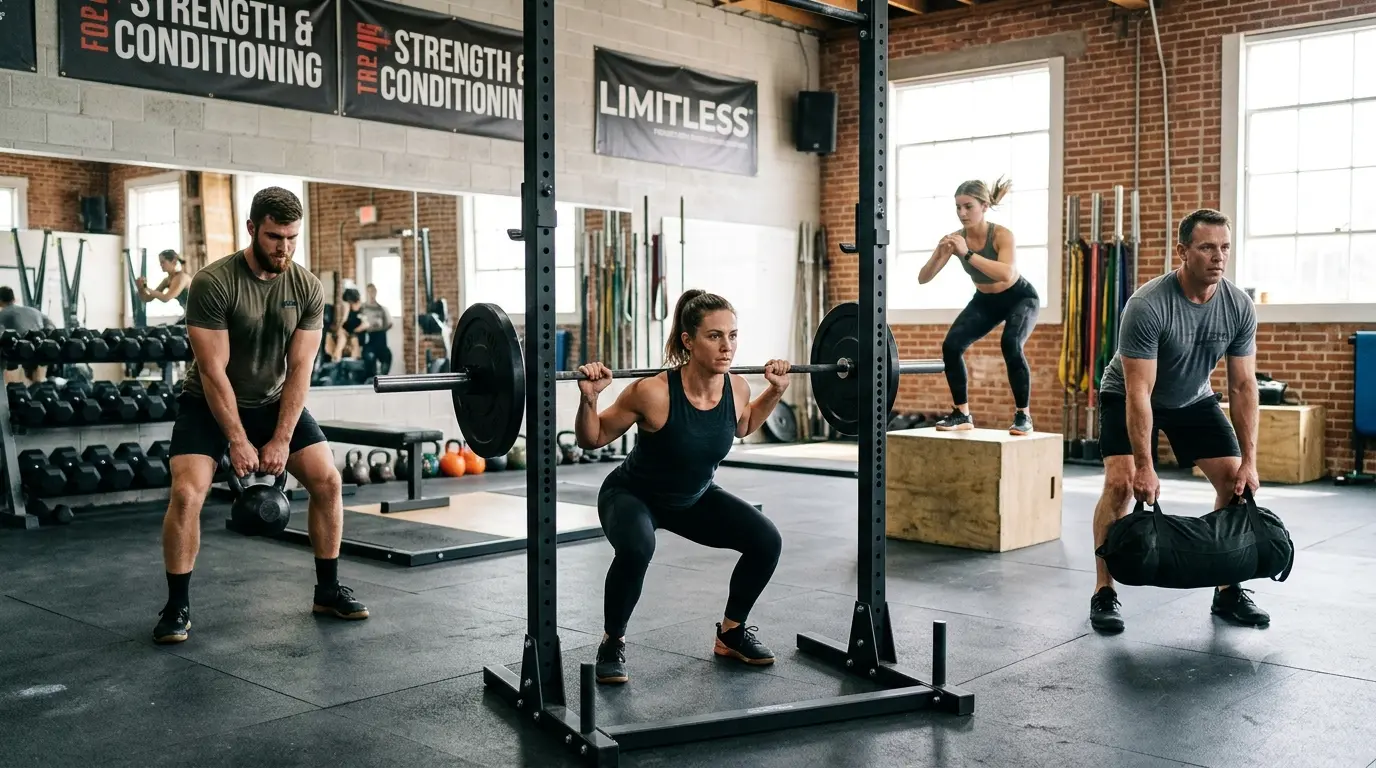
Building a body that is both fundamentally strong and structurally resilient requires a deeply balanced approach to physical fitness. In the modern fitness landscape, it is remarkably easy to fall into the trap of oversimplification, where enthusiasts divide themselves into isolated camps. Many people focus entirely on lifting heavy weights in pursuit of muscle mass, while others spend all their available time on traditional cardio machines trying to build stamina. However, true physical capability does not exist in these isolated silos; instead, it lies at the precise intersection of raw power, cardiovascular endurance, athletic agility, and deep core stability.
Engaging in structured strength and conditioning workouts allows you to effectively bridge the gap between basic, aesthetic fitness and high-level, functional athletic performance. This comprehensive style of training is not designed exclusively for elite competitors or professional athletes looking to shave seconds off a sprint time. Rather, it is an inclusive, adaptable framework that allows everyday individuals to optimize the way their bodies move, recover, and thrive under physical stress. Whether your personal goal is to climb multiple flights of stairs without getting winded, improve your desk-bound posture, or excel in a local recreational sports league, this training style adapts seamlessly to your specific daily lifestyle needs.
Starting a new fitness routine can easily feel overwhelming with the massive amount of conflicting advice available online and on social media platforms today. One source might tell you to focus exclusively on heavy compound lifting, while another insists that high-intensity interval training is the only path to optimal health. This comprehensive guide is designed to cut through that digital noise and simplify the entire process for you by breaking down foundational human movements, proper recovery protocols, and safe progression strategies. By shifting your primary focus toward correct exercise form and long-term consistency, you can completely transform your physical health and build sustainable lifestyle habits that last for decades.
To truly appreciate the value of this approach, it helps to look at how our daily environments have evolved over time. Modern life has become increasingly sedentary, with many of us spending long hours sitting in front of computer screens, commuting in vehicles, and relying on convenience-oriented automation. This lack of diverse movement naturally causes our muscles to weaken, our joints to lose their natural mobility, and our cardiovascular systems to become inefficient. Standard, single-plane gym exercises like machine bicep curls or seated leg extensions can help wake up dormant muscles, but they do not teach the body to work as a cohesive, integrated unit.
This is exactly where a dedicated strength and conditioning protocol changes the game. By mimicking real-world movement patterns, these workouts train your nervous system, muscles, and joints to cooperate efficiently, which drastically reduces the risk of random injuries during daily tasks. Imagine being able to bend down, pick up a heavy box from the floor, twist safely, and place it on a high shelf without a second thought or a sudden twinge in your lower back. That is the essence of functional physical capacity, and it is built through intentional, varied training structures.
Furthermore, embarking on this training journey offers a powerful psychological transformation that matches the physical evolution. When you consistently challenge your body to lift a slightly heavier weight or complete a conditioning circuit just a few seconds faster, you are building immense mental toughness. This disciplined mindset naturally spills over into your professional and personal life, teaching you how to handle stress, overcome obstacles, and stay patient through slow, progressive growth. Physical training becomes a daily laboratory where you practice resilience, proving to yourself that consistency always triumphs over temporary motivation.
It is also important to recognize that your body is an incredibly adaptive mechanism that responds directly to the specific demands you place upon it. If you only perform light cardio, your heart will grow more efficient, but your muscles and bones will not gain the density required to resist aging. Conversely, if you only lift heavy weights with long rest periods, your maximum strength will improve, but your heart and lungs will struggle when forced to work continuously. A properly structured strength and conditioning program eliminates these gaps by ensuring that neither side of the fitness equation is left behind.
As we dive deeper into this ultimate guide, you will discover that mastering your own physical health does not require complex machinery or confusing, trendy exercises. Instead, it requires a deep commitment to mastering the basics, respecting your body’s need for recovery, and learning how to scale movements to fit your current experience level. Whether you are a complete beginner picking up a dumbbell for the very first time or an intermediate lifter looking to break through a frustrating progress plateau, the principles outlined ahead will provide a clear, reliable roadmap to unlocking your ultimate physical potential.
What is Strength and Conditioning?
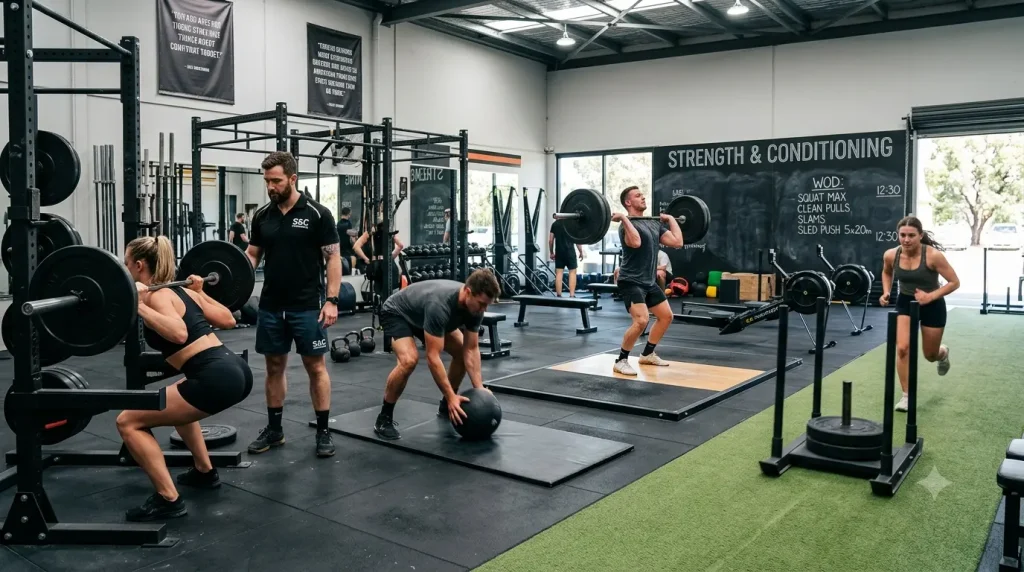
Strength and conditioning is a specific training methodology designed to improve physical performance, enhance movement quality, and prevent athletic injuries. It combines targeted resistance exercises with progressive cardiovascular conditioning to build a well-rounded physical foundation.
Unlike traditional bodybuilding, which primarily focuses on muscle size and visual aesthetics, this training style prioritizes how your body moves and functions. It targets multiple fitness components, including explosive power, muscular endurance, speed, flexibility, and core stability.
The strength portion of the system utilizes free weights, resistance bands, and bodyweight movements to strengthen muscles, tendons, and bones. Meanwhile, the conditioning aspect focuses on energy system development, conditioning the heart and lungs to handle intense physical exertion efficiently.
Why is Strength and Conditioning Important?
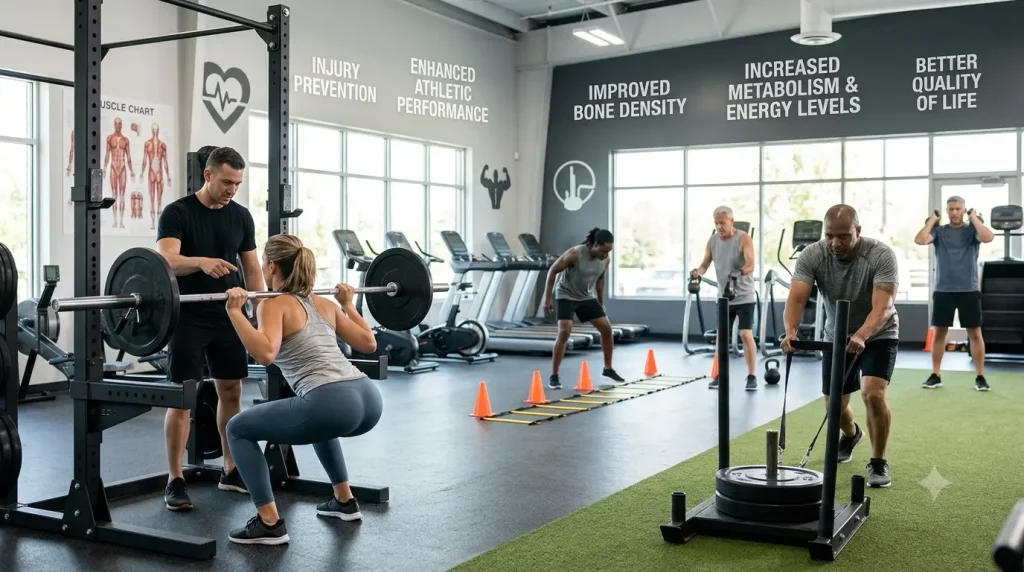
Incorporating these workouts into your weekly routine provides a massive array of benefits that extend far beyond the walls of the gym. Developing physical strength directly impacts your daily life by making ordinary tasks feel significantly easier and less fatiguing.
As we age, our bodies naturally lose muscle mass and bone density, which increases the long-term risk of fractures and joint pain. Resistance training stimulates bone mineralization and strengthens the connective tissues surrounding your joints, creating a protective shield against daily wear and tear.
Furthermore, conditioning improves your cardiovascular health, leading to a lower resting heart rate and better blood circulation. This combination ensures that your body processes oxygen efficiently, boosting your daily energy levels and reducing overall systemic fatigue.
Detailed Step-by-Step Guide to Strength and Conditioning Workouts
To build an effective workout routine, you must understand the primary movement patterns that form the foundation of human physical performance.
Phase 1: The Essential Warm-Up Sequence
A proper warm-up increases your core body temperature, lubricates your joints, and activates the nervous system for upcoming physical exertion. Static stretching should be avoided before training, as it can temporarily reduce explosive muscle power.
- Dynamic Movements: Spend five minutes performing arm circles, leg swings, and torso twists to increase blood flow.
- Glute Activation: Complete two sets of ten bodyweight glute bridges to ensure your hips fire correctly during heavy compound lifts.
- Cat-Cow Stretch: Perform ten slow repetitions to mobility-train the spine and relieve lower back tightness.
Phase 2: Mastering Foundational Compound Movements
Compound exercises recruit multiple joints and large muscle groups simultaneously, giving you the best return on your time investment.
- The Goblet Squat: Hold a dumbbell or kettlebell close to your chest, keep your feet shoulder-width apart, and lower your hips until your thighs are parallel to the floor.
- The Romanian Deadlift: Stand tall holding weights at your thighs, hinge backward at your hips with a slight knee bend, and lower the weight along your shins to target the hamstrings.
- The Push-Up: Place your hands slightly wider than shoulder-width, lower your chest toward the floor while keeping your body in a straight line, and push back up explosively.
- The Dumbbell Overhead Press: Press dumbbells from shoulder height directly overhead, keeping your core tightly braced to prevent your lower back from arching excessively.
Phase 3: Conditioning and Energy System Work
Conditioning trains your heart and lungs to recover quickly between bouts of intense physical activity.
- Interval Training: Perform 30 seconds of high-effort kettlebell swings followed by 60 seconds of active rest, repeating for ten total rounds.
- Rowing Machine Intervals: Row intensely for 250 meters, rest for one minute, and repeat five times to build exceptional upper body endurance.
- Jump Rope Drills: Skip rope at a moderate pace for three minutes continuously to improve footwork, ankle stability, and calf endurance.
Benefits of Strength and Conditioning Workouts
Implementing a structured physical training program yields massive transformations for both your physical body and mental well-being.
- Increased Functional Strength: Simplifies daily tasks like carrying heavy groceries, lifting boxes, and moving furniture without straining.
- Enhanced Metabolic Rate: Building lean muscle tissue helps your body burn more calories naturally throughout the day, even at rest.
- Improved Joint Stability: Strengthens the stabilizing muscles around the knees, hips, and shoulders, reducing chronic aches.
- Better Posture and Alignment: Reinforces the upper back and core muscles, counteracting the negative effects of sitting at an office desk.
- Boosted Cognitive Function: Regular physical training releases endorphins that reduce daily stress, anxiety, and mental fatigue.
- Greater Athletic Performance: Improves your overall speed, vertical jump, and agility during recreational sports and outdoor activities.
Disadvantages and Risks of the Training
While the benefits are extensive, entering a rigorous exercise program without proper guidance introduces several potential risks.
- Risk of Acute Injury: Using improper lifting form or lifting excessively heavy weights can cause muscle strains, ligament tears, or joint damage.
- Overtraining Syndrome: Skipping rest days leads to systemic fatigue, poor sleep quality, decreased immunity, and performance drops.
- Muscle Soreness: Beginners often experience delayed onset muscle soreness, which can temporarily limit natural movement patterns.
- High Mental Demand: Maintaining consistency and tracking progressive overloads requires significant mental discipline and planning.
- Potential for Structural Imbalances: Focusing too heavily on favorite exercises while ignoring weaker muscles can create joint alignment issues over time.
Common Mistakes to Avoid
Many fitness enthusiasts stall their own progress by falling into predictable training traps that are easily correctable with mindfulness.
- Ego Lifting: Sacrificing proper movement mechanics just to move heavier weights increases injury risk and reduces actual target muscle stimulation.
- Neglecting Active Recovery: Muscle tissue grows and repairs during deep sleep and rest, not while you are actively working out in the gym.
- Lack of Training Progression: Performing the exact same exercises with the same weights for months prevents your body from adapting and growing stronger.
- Inconsistent Nutrition Habits: Failing to consume adequate protein and hydrating properly deprives your muscles of the building blocks needed for repair.
- Skipping the Conditioning Phase: Focusing solely on strength while ignoring cardiovascular work leaves you with poor endurance and slower recovery times.
What is the ideal frequency for strength and conditioning workouts?
For beginners, training three days per week with a rest day between sessions provides an optimal balance of stimulus and muscle recovery. Intermediate lifters can progress to four or five days per week, splitting workouts into upper and lower body focused sessions
Can I perform these workouts at home without expensive gym equipment?
Yes, you can build an effective routine using your own bodyweight, resistance bands, and a single pair of adjustable dumbbells. Focus on challenging variations of push-ups, lunges, planks, and door-anchor rows to stimulate your muscles without commercial machines.
How long does it take to see noticeable physical results?
Initial neurological adaptations occur within the first two to three weeks, meaning you will feel stronger and more coordinated quickly. Visible muscle definition and noticeable improvements in cardiovascular endurance typically take six to eight weeks of consistent training and proper nutrition
Is strength and conditioning safe for older adults?
When properly modified, this style of training is exceptionally safe and highly recommended for older adults to combat age-related muscle loss. Focus on low-impact movements, structural core stability, and balance drills using light resistance to protect joints while building bone density.
Should I do my strength training or cardio conditioning first?
It is generally best to perform your strength training exercises first while your central nervous system is fresh and fully energized. Exhausting your muscles with heavy conditioning beforehand increases your risk of form breakdown and potential injury during compound lifts
How do I know when it is time to increase the workout weight?
How do I know when it is time to increase the workout weight?
You should increase the resistance when you can complete all targeted repetitions of a specific exercise with perfect physical form for two consecutive workouts. Increase the weight conservatively, aiming for a small two to five percent increase to ensure continued safe progression.
Expert Tips and Bonus Points
To maximize the efficiency of your training sessions, prioritize the quality of every single movement over the quantity of work performed. Keep a detailed training log to track your exercises, sets, repetitions, and the exact weights used each week. This physical log serves as undeniable proof of your progress and guides your decisions for future workout adjustments. Tracking your data removes the guesswork from your fitness journey, allowing you to clearly see when your body is adapting and when it is time to introduce a new physical challenge.
Listen carefully to your body’s subtle signals; there is a major difference between normal muscle fatigue and sharp joint pain. If a specific movement causes sharp pain in your knees, lower back, or shoulders, stop immediately and swap it out for a pain-free, regressions-focused alternative. Pushing through bad pain never leads to growth; it only leads to forced time off due to avoidable injuries. True fitness experts know that longevity is the ultimate goal, and modifying an exercise to match your current structural limits is a sign of high training intelligence, not weakness.
Additionally, optimize your pre- and post-workout nutrition by consuming high-quality protein and complex carbohydrates within two hours of leaving the gym. This strategic nutritional timing kickstarts the muscle recovery process, replenishes your depleted glycogen stores, and significantly reduces lingering muscle soreness. Hydration is another critical factor that is often overlooked; even mild dehydration can cause a massive drop in muscle strength and endurance. Aim to drink water steadily throughout the day, and consider adding electrolytes to your water during long, intense conditioning sessions to maintain optimal cellular function and prevent cramping.
Conclusion
Embarking on a journey into strength and conditioning workouts is one of the most impactful choices you can make for your long-term physical health and overall well-being. By blending targeted resistance training with strategic energy system development, you create a body that is genuinely capable of handling life’s physical demands with ease. Consistency, patience, and strict attention to proper form are the foundational keys that unlock sustainable, long-term athletic progress. Fitness is not a temporary destination or a quick fix for a single season; it is a lifelong pursuit of physical capability, vitality, and resilience.
As you advance from beginner movements to intermediate training schemes, always keep your personal lifestyle goals at the center of your programming. Celebrate the small, incremental victories, like adding five pounds to a lift, perfecting your squat depth, or shaving a few seconds off a challenging conditioning circuit. These small achievements accumulate over time, leading to massive physical transformations that will surprise you. With time, discipline, and dedication, the healthy habits you forge in the gym will build a stronger, more confident, and highly resilient version of yourself.
Remember that every elite athlete was once a beginner who refused to quit when the workouts felt difficult or unfamiliar. There will inevitably be days when your motivation is low and the weights feel heavier than usual, but showing up and giving your best effort on those tough days is what builds true mental toughness. Trust the training process, respect your body’s need for deep rest, and stay committed to the roadmap laid out in this guide. By prioritizing functional movement and balanced conditioning, you are investing in a healthier, pain-free future that allows you to live life to the absolute fullest.