

Every athlete shares a common nightmare, and that is getting sidelined by an unexpected injury. Whether you are a beginner stepping onto the field for the very first time or an intermediate competitor pushing your personal limits, physical setbacks can completely derail your progress. Staying active requires more than just raw effort and determination. It demands a smart, strategic approach to protecting your body from harm.
Implementing the right injury prevention tips for athletes can make the absolute difference between hitting a new personal record and spending months in physical rehab. Many sports injuries do not happen by accident; rather, they accumulate over time due to poor habits, improper gear, or a lack of recovery. By understanding how your body moves and responds to stress, you can build a resilient foundation that keeps you moving safely.
This comprehensive guide breaks down the essential methods you need to stay healthy, strong, and active. We will explore practical strategies, step-by-step training adjustments, and expert recovery techniques designed specifically for beginner and intermediate athletes. Let us dive into the core principles of keeping your body in peak physical condition.
What is Injury Prevention for Athletes?
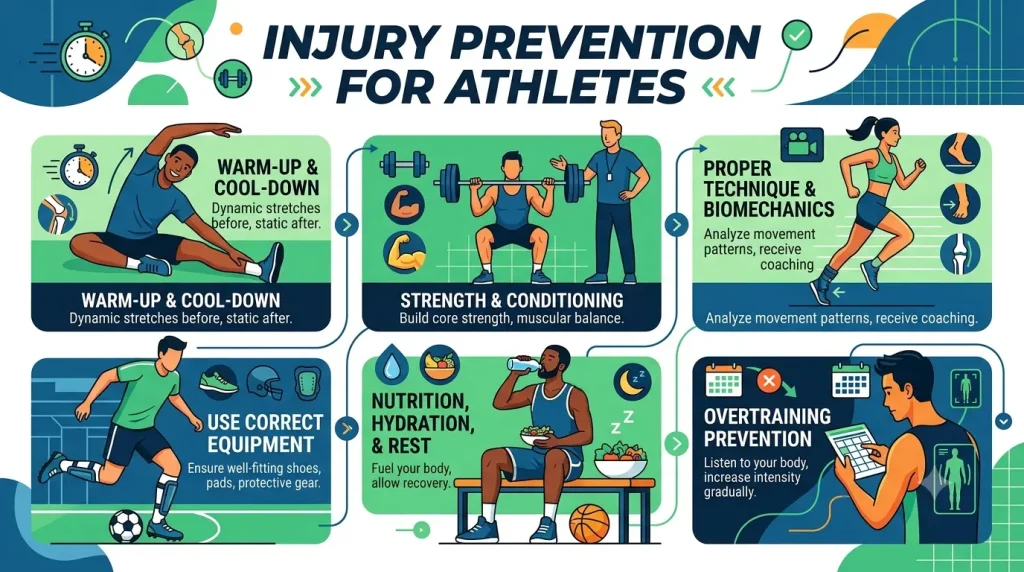
Injury prevention for athletes is a systematic approach to reducing the risk of physical trauma, strains, and chronic wear during sports activities. It is not about eliminating every possible risk, but rather about preparing the body to handle physical stress effectively. This discipline combines proper movement mechanics, targeted conditioning, structured recovery, and situational awareness to keep your muscles and joints safe.
For beginners, this concept usually revolves around learning foundational movements and not pushing too hard, too fast. For intermediate sports enthusiasts, it involves fine-tuning your biomechanics, balancing your training loads, and addressing minor muscle imbalances before they turn into severe tears. It is a proactive mindset that prioritizes long-term health over short-term, unsustainable performance gains.
Ultimately, preventing injuries means listening to your body and respecting its physical limitations. It involves an ongoing combination of active warm-ups, strength training, flexibility work, proper nutrition, and adequate sleep. When these elements work together, they create a protective shield around your musculoskeletal system.
Why is Injury Prevention for Athletes Important?

Prioritizing injury prevention tips for athletes is crucial because a single severe strain can erase months of hard work in an instant. When you are forced to stop training, you lose cardiovascular fitness, muscular strength, and your hard-earned momentum. Consistency is the true secret to athletic success, and you cannot remain consistent if you are constantly healing from avoidable mistakes.
Beyond the physical setbacks, sports injuries carry a heavy mental and emotional toll. Being unable to participate in the activities you love can lead to immense frustration, stress, and a loss of motivation. For intermediate athletes who are deeply invested in their progress, a long break can feel incredibly discouraging and disrupt their daily routine.
Furthermore, minor injuries that are ignored often develop into chronic, long-term health issues. A simple ankle sprain that heals improperly can alter your gait, causing knee or hip pain further down the line. Investing time into protective habits ensures that you can enjoy your favorite sports for years to come without permanent pain.
Detailed Step-by-Step Guide to Preventing Sports Injuries
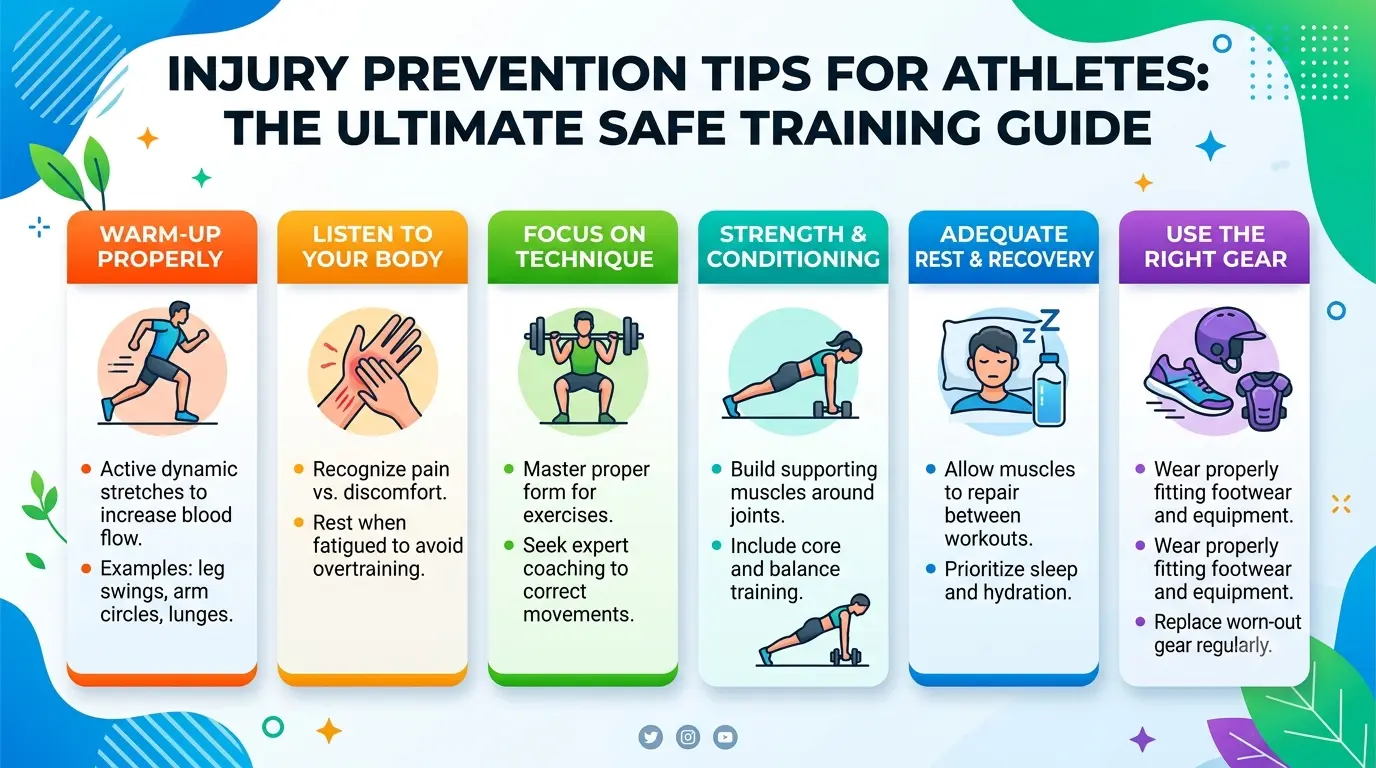
Step 1: Execute a Dynamic Warm-Up
A proper warm-up prepares your cardiovascular system and muscles for intense activity. Static stretching, where you hold a stretch while still, should be avoided before a workout because it relaxes the muscles and temporarily reduces their explosive power. Instead, you need to focus entirely on dynamic movements that mimic the sport you are about to play.
Start with five minutes of light cardio, such as jogging or jumping jacks, to raise your core body temperature. Follow this with dynamic stretches like lunges with a twist, leg swings, arm circles, and high knees. These movements increase blood flow, lubricate your joints with synovial fluid, and improve your overall range of motion.
Step 2: Master the Correct Technique
Bad form is one of the fastest ways to overload your joints and cause acute or chronic injuries. Whether you are lifting weights, running, or playing a court sport, your technique must always take priority over speed or intensity. Beginners should consider working with a coach or recording their movements to identify hidden flaws.
Intermediate athletes must remain vigilant as well, as fatigue during long workouts often causes form to break down. When you notice your posture slipping or your movements becoming sloppy, it is time to lower the weight or stop the session. Perfect practice builds muscle memory that protects your skeletal structure under pressure.
Step 3: Progressive Overload and Gradual Progression
The human body is incredibly adaptable, but it requires sufficient time to grow stronger. Progressive overload means increasing your training intensity, duration, or weight very gradually over time. A common rule of thumb for runners and endurance athletes is the ten percent rule, which states you should never increase your weekly mileage by more than ten percent.
When you ramp up your training volume too quickly, your muscles and tendons cannot recover fast enough to keep up. This leads directly to overuse conditions like shin splints, tendonitis, and stress fractures. Be patient with your progress and allow your tissues to adapt to the new demands securely.
Step 4: Incorporate Strength and Conditioning
Building strong muscles around your joints provides vital stability and absorbs the shock of high-impact movements. A well-rounded strength training routine should target all major muscle groups, focusing heavily on core stability and balance. A stable core protects your lower back from twisting forces and uneven loads.
Pay close attention to opposing muscle groups to prevent dangerous imbalances. For example, if you focus entirely on your quadriceps while ignoring your hamstrings, you increase your risk of knee ligament tears. Include exercises like squats, planks, deadlifts, and single-leg balances in your weekly routine.
Step 5: Prioritize Post-Workout Recovery
Recovery is the exact phase where your body repairs microscopic muscle tears and builds back stronger. Skipping rest days forces your body into a state of chronic fatigue, making your movements less coordinated and highly susceptible to trauma. Plan at least one to two full rest days into your weekly schedule.
Sleep is your absolute best recovery tool, as your body releases human growth hormone during deep sleep cycles to repair damaged tissues. Aim for seven to nine hours of quality sleep each night. Additionally, utilize active recovery days involving low-impact walking, swimming, or gentle yoga to keep blood flowing without adding stress.
Benefits of Practicing Injury Prevention
- Sustained Consistent Progress: Staying healthy allows you to train continuously week after week, leading to superior long-term performance gains.
- Enhanced Physical Performance: Preventive training, such as core work and balance drills, naturally improves your agility, speed, and power.
- Reduced Financial Costs: Avoiding medical bills, physical therapy sessions, and expensive surgeries keeps your fitness journey highly affordable.
- Improved Joint and Bone Longevity: Protecting your body today reduces your risk of developing chronic arthritis or joint degeneration later in life.
- Greater Mental Confidence: Knowing your body is resilient and properly prepared allows you to compete with full intensity without fear of pain.
- Better Quality of Life: Freedom from chronic aches means you can enjoy daily activities, work, and hobbies outside of your sport without restriction.
Disadvantages and Risks of Ignoring Prevention Strategies
- Chronic Pain Development: Minor micro-tears that never heal completely can transform into permanent, nagging pain that affects your daily life.
- Muscle Atrophy and Deconditioning: Serious injuries that force total bed rest or immobilization cause rapid loss of muscle mass and cardiovascular health.
- Altered Biomechanics: Limping or favoring an injured limb forces other parts of your body to overcompensate, creating secondary injuries elsewhere.
- Long-Term Psychological Frustration: Being stuck on the sidelines can severely damage your mental health, leading to anxiety and a loss of personal identity.
- Permanent Joint Instability: Severe ligament tears, like an ACL tear, can leave joints permanently loose and highly susceptible to future dislocations.
- Early Termination of Athletic Hobby: For many beginners, experiencing a severe injury early on causes them to quit sports and fitness entirely out of fear.
Common Mistakes to Avoid in Sports Training
One of the most frequent errors made by beginners is skipping the cool-down phase after an intense workout. Stopping abruptly causes blood to pool in your lower extremities, which can lead to dizziness and prolonged muscle stiffness. Spending five to ten minutes doing light walking and static stretching helps flush out metabolic waste and returns your heart rate to normal.
Another dangerous habit is training through pain. There is a massive difference between the natural discomfort of muscle fatigue and the sharp, localized ache of a structural injury. If a movement causes a sharp pain in a joint or a sudden pull in a muscle, you must stop immediately; pushing through will only worsen the damage.
Finally, many athletes overlook the vital role of proper footwear and equipment. Wearing worn-out running shoes or using a tennis racket with improper grip size forces your body to absorb unnatural shock waves. Inspect your gear regularly and replace shoes every three hundred to five hundred miles to maintain proper joint cushioning.
FAQs
How do I know the difference between normal muscle soreness and a real injury?
Normal soreness, known as Delayed Onset Muscle Soreness (DOMS), typically develops twelve to twenty-four hours after a tough workout and feels like a dull, widespread ache across the muscle belly. It usually improves as you move around and warm up. An injury, however, often causes sharp, stabbing, or localized pain that occurs during the activity itself. Injuries are frequently accompanied by swelling, bruising, or an inability to bear weight on the affected limb, and the pain does not fade with rest.
Can stretching after a workout help prevent future sports injuries?
Yes, static stretching during your cool-down is highly effective for maintaining flexibility and long-term joint mobility. When your muscles are warm from exercise, they are much more pliable, making it the perfect time to elongated tight tissues. Keeping your muscles flexible prevents them from pulling unnaturally on your bones and joints during daily movements. However, remember that stretching alone is not enough; it must be combined with strength training to ensure your joints remain stable through their full range of motion.
How many days a week should an intermediate athlete dedicate to active rest?
An intermediate athlete should generally dedicate at least one full day to total rest and one to two days to active recovery each week. Active rest means engaging in very low-intensity movement that promotes blood flow without straining your muscles, such as a casual walk, a light bicycle ride, or easy swimming. This movement helps deliver oxygen and vital nutrients to healing muscle tissues while allowing your central nervous system to recover from intense training stress.
What role does hydration play in keeping muscles safe from cramps and tears?
Hydration is absolutely vital for maintaining structural muscle elasticity and optimal joint lubrication. Dehydrated muscles lose their efficiency, become highly prone to painful cramping, and fatigue much faster, which directly compromises your movement mechanics. Water also makes up a massive portion of your cartilage, which cushions your joints from high-impact landings. Drinking water before, during, and after your workouts keeps your tissues pliable and resilient against sudden tears.
Are brace supports and compression gear helpful for avoiding injuries?
Compression gear and joint braces can provide external structural support and improve your proprioception, which is your body’s awareness of its position in space. While they are highly beneficial when recovering from a previous injury, you should not rely on them as a permanent shield. Overusing braces can cause the surrounding stabilizing muscles to become lazy and weak over time. It is far better to build natural strength and stability through targeted conditioning exercises rather than relying solely on external gear.
How does mental fatigue contribute to an increased risk of getting hurt?
Mental fatigue significantly slows down your reaction times, compromises your spatial awareness, and impairs your decision-making abilities during a sport. When your mind is exhausted from stress or a lack of sleep, your brain cannot recruit muscle fibers as quickly or coordinate complex movements efficiently. This brief lag in communication between your brain and body often results in missteps, poor landings, and dropped weights, creating the perfect environment for acute injuries.
Expert Tips and Bonus Prevention Strategies
To maximize your safety on the field or in the gym, consider implementing these advanced, proven strategies into your routine:
- Track Your Training Metrics: Keep a detailed fitness journal to log your workouts, pain levels, and sleep quality so you can spot overtraining patterns early.
- Incorporate Cross-Training: Mix up your routine by swimming or cycling to maintain cardiovascular fitness while giving your primary running or lifting joints a break.
- Focus on Micronutrients: Ensure you eat enough calcium, vitamin D, and magnesium to build strong bones and support smooth, healthy muscle contractions.
- Listen to Your Instincts: If you feel completely exhausted before a workout starts, modify the session into a light active recovery day instead of forcing intensity.
- Assess Your Posture: Spend time fixing daily sitting habits, as slouching at a desk all day creates tight hip flexors and weak glutes that hurt your athletic form.
Conclusion
Mastering injury prevention tips for athletes is a lifelong journey that requires discipline, mindfulness, and a willingness to prioritize health over ego. It is easy to get caught up in the excitement of pushing for faster times or heavier weights, but long-term success is entirely dependent on staying healthy. By treating your recovery, warm-ups, and technique with the same respect as your intense training sessions, you build a body capable of enduring incredible physical challenges.
Remember that progress is never a straight line, and taking a step back to rest is often the fastest way to move forward. Listen to the subtle warning signs your body sends you, update your gear when it wears out, and never skip the basics of proper hydration and sleep. Stay patient, stay consistent, and enjoy the lifelong rewards of a strong, injury-free lifestyle.
