

Introduction
Choosing the right pair of running shoes can completely transform your running experience. Whether you’re preparing for your first 5K, training for a marathon, or simply jogging to stay healthy, the shoes you wear directly affect your comfort, speed, and safety. A high-quality pair of running shoes helps reduce fatigue, improves stability, and minimizes the risk of injuries that often result from poor footwear.
With hundreds of brands and models available, finding the perfect pair isn’t always easy. Every shoe claims to provide maximum cushioning, better grip, improved responsiveness, and enhanced durability. However, not every running shoe is designed for every runner. Factors such as your foot shape, running style, body weight, and preferred terrain all influence which shoe will work best for you.
This Best Running Shoes Review is designed to simplify your buying decision. Instead of relying on marketing claims, this guide explains what truly matters when selecting running shoes. You’ll learn about the essential features, understand different shoe categories, and discover which models are best suited for beginners, casual runners, and experienced athletes.
A well-informed purchase saves money in the long run because quality running shoes last longer and provide better support throughout their lifespan. More importantly, the right footwear helps you enjoy every mile instead of dealing with discomfort or pain.
In this comprehensive review, we’ll examine the top running shoe options, discuss their strengths and weaknesses, compare important features, and provide practical buying advice so you can confidently choose the best pair for your needs.
What is Best Running Shoes Review?
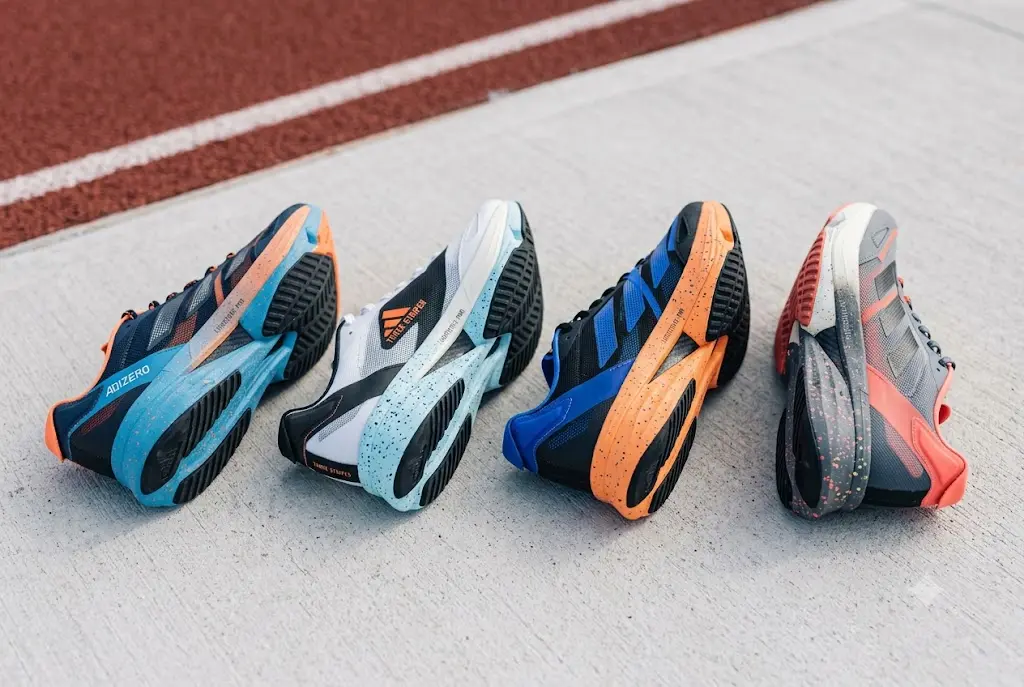
A Best Running Shoes Review is a detailed evaluation of running shoes based on real-world performance, comfort, durability, cushioning, stability, breathability, weight, traction, and overall value.
Rather than focusing only on appearance or brand popularity, a comprehensive review analyzes how a shoe performs under different running conditions.
A quality review considers:
- Cushioning performance
- Arch support
- Heel stability
- Weight
- Breathability
- Durability
- Grip on various surfaces
- Price versus value
- Suitable running distance
- Ideal runner type
These factors help buyers choose shoes that match their specific running goals instead of purchasing based solely on advertisements.
Why is Best Running Shoes Review Important?

Buying running shoes without proper research often leads to discomfort, poor performance, or even injuries. Reading an expert review helps you understand the strengths and weaknesses of each model before spending your money.
A reliable review helps you:
- Avoid uncomfortable shoes
- Compare multiple brands
- Understand shoe technology
- Find better value for money
- Select shoes based on your running style
- Reduce injury risks
- Improve running efficiency
- Increase shoe lifespan through informed purchasing
Whether you’re a beginner or an experienced runner, reading detailed reviews ensures you invest in footwear that genuinely supports your fitness journey.
Detailed Step-by-Step Guide
Step 1: Know Your Running Style
Before purchasing running shoes, identify how you run.
There are generally three foot movement types:
Neutral Runner
Neutral runners land evenly across the foot.
Recommended features:
- Balanced cushioning
- Flexible midsoles
- Lightweight construction
Overpronation
Overpronators roll their feet inward excessively.
Recommended features:
- Stability support
- Motion control
- Firm midsoles
Underpronation (Supination)
Supinators roll outward during movement.
Recommended features:
- Soft cushioning
- Flexible midsoles
- Shock absorption
Understanding your gait prevents discomfort and improves performance.
Step 2: Choose Shoes Based on Running Surface
Not every running shoe works everywhere.
Road Running Shoes
Ideal for:
Pavement
Sidewalks
Treadmills
Features:
- Lightweight
- Smooth outsole
- Excellent cushioning
Trail Running Shoes
Designed for:
- Mountains
- Dirt paths
- Rocky terrain
Features:
- Aggressive grip
- Water resistance
- Protective toe caps
Hybrid Running Shoes
Suitable for runners who alternate between roads and trails.
Features:
- Balanced traction
- Moderate cushioning
- Versatile outsole
Step 3: Consider Cushioning
Cushioning significantly affects comfort.
Maximum Cushion
Best for:
- Long-distance running
- Recovery runs
- Heavy runners
Advantages:
- Soft landing
- Excellent shock absorption
- Moderate Cushion
Suitable for:
- Daily training
- Beginners
- General fitness
Advantages:
- Balanced comfort
- Better stability
Minimal Cushion
Ideal for:
- Speed workouts
- Experienced runners
Advantages:
- Lightweight
- Improved ground feel
Step 4: Check Shoe Weight
Weight influences running efficiency.
Lightweight Shoes
Best for:
- Racing
- Speed sessions
Benefits:
- Faster turnover
- Less fatigue
Medium Weight Shoes
Ideal for everyday training.
Benefits:
- Balanced support
- Comfortable over long distances
Heavy Running Shoes
Better suited for:
- Maximum stability
- Larger runners
- Walking and recovery
Benefits:
- Superior support
- Durable construction
Step 5: Evaluate Breathability
Proper airflow keeps your feet cool during runs.
Look for:
- Engineered mesh uppers
- Ventilation panels
- Moisture-wicking liners
Breathable shoes reduce sweating, minimize odor, and improve overall comfort, especially in hot weather.
Step 6: Examine Durability
Quality running shoes should withstand hundreds of miles without losing support.
Pay attention to:
- Rubber outsole quality
- Midsole resilience
- Reinforced stitching
- Heel counter durability
- Upper material strength
While premium shoes may cost more initially, they often offer better long-term value because they maintain performance for a longer period.
Step 7: Compare Top Running Shoe Brands
Several brands consistently produce reliable running shoes. Each offers unique technologies designed for different running needs.
Nike
Best for:
- Speed training
- Road running
Lightweight performance
Pros:
- Innovative cushioning
- Stylish designs
- Responsive midsoles
Cons:
Premium pricing
Adidas
Best for:
- Daily training
- Long-distance running
Pros:
- Comfortable midsoles
- Durable construction
- Excellent energy return
Cons:
Some models feel slightly heavier
ASICS
Best for:
- Stability
- Injury prevention
- Overpronators
Pros:
- Outstanding support
- Reliable cushioning
- Long lifespan
Cons:
Less flexible than racing shoes
Brooks
Best for:
- Beginners
- Marathon training
- Neutral runners
Pros:
- Soft cushioning
- Excellent comfort
- Consistent sizing
Cons:
Conservative styling
New Balance
Best for:
- Wide feet
- Daily running
- Versatile training
Pros:
- Multiple width options
- Comfortable fit
- Durable outsole
Cons:
Some premium models are expensive
HOKA
Best for:
- Recovery runs
- Long-distance runners
- Maximum cushioning
Pros:
- Exceptional comfort
- Lightweight despite thick midsoles
- Excellent shock absorption
Cons:
Bulky appearance
Saucony
Best for:
- Everyday running
- Tempo workouts
- Neutral runners
Pros:
- Smooth ride
- Balanced cushioning
- Great flexibility
Cons:
- Limited color choices in some models
- Step 8: Best Running Shoes by Category
Best Overall
ASICS Gel-Nimbus
Why it stands out:
- Excellent cushioning
- Premium comfort
- Great durability
- Suitable for daily mileage
- Best Budget Choice
Nike Revolution Series
Highlights:
- Affordable
- Comfortable
- Lightweight
- Ideal for beginners
- Best for Long Distance
HOKA Clifton
Strengths:
- Maximum cushioning
- Lightweight design
- Reduces fatigue
- Smooth transitions
- Best for Speed
Nike Pegasus
Ideal for:
- Fast workouts
- Daily training
- Versatile performance
- Best Trail Running Shoe
Salomon Speedcross
Features:
- Aggressive traction
- Durable outsole
- Superior grip
- Excellent protection
Benefits of Best Running Shoes
Investing in the right running shoes offers far more than just comfort. A quality pair can improve your performance, protect your joints, and make every run more enjoyable. Here are the key benefits:
- Reduces the Risk of Injuries: Proper cushioning and support help absorb impact, lowering the chances of common injuries like shin splints, plantar fasciitis, and knee pain.
- Improves Running Comfort: Well-designed running shoes reduce pressure on your feet, allowing you to run longer without discomfort.
- Enhances Performance: Lightweight and responsive shoes improve stride efficiency, helping you maintain speed and endurance.
- Provides Better Stability: Shoes with the right support keep your feet aligned, reducing unnecessary movement and improving balance.
- Offers Excellent Shock Absorption: Advanced midsole technology minimizes the impact of every step, protecting your ankles, knees, and hips.
- Keeps Feet Cool and Dry: Breathable mesh uppers improve airflow, reducing sweat buildup and preventing blisters.
- Increases Durability: Premium materials ensure the shoes maintain their shape and cushioning over hundreds of miles.
- Supports Different Running Styles: Whether you’re a neutral runner, overpronator, or trail runner, specialized shoes are available for your specific needs.
- Boosts Confidence: Running feels more enjoyable when you know your shoes provide reliable support and protection.
- Provides Better Value Over Time: While quality running shoes may cost more initially, they often last longer than cheaper alternatives.
Disadvantages / Risks
Even the best running shoes have a few drawbacks. Understanding these can help you make a smarter purchasing decision.
- Premium models can be expensive.
- Shoes designed for one running style may not suit another.
- Incorrect shoe sizing can lead to blisters and discomfort.
- Highly cushioned shoes may reduce ground feel.
- Lightweight racing shoes generally wear out faster.
- Trail shoes may feel uncomfortable on paved roads.
- Shoes lose cushioning over time, even if they still look new.
- Buying based only on brand reputation can result in poor fit.
The key is choosing a shoe that matches your foot type, running goals, and preferred terrain rather than simply selecting the most popular option.
Common Mistakes to Avoid
Many runners unknowingly make mistakes when buying or using running shoes. Avoiding these errors can improve both comfort and performance.
- Buying Shoes Based Only on Appearance
A stylish design doesn’t guarantee a good fit. Always prioritize comfort, support, and performance over looks.
- Ignoring Your Foot Type
Not everyone has the same arch or gait. Wearing shoes that don’t match your foot mechanics can increase the risk of injuries.
- Choosing the Wrong Size
Running shoes should have about a thumb’s width of space between your longest toe and the front of the shoe. Feet often swell during runs, so a slightly roomier fit is ideal.
- Wearing Old Running Shoes for Too Long
Most running shoes perform best for approximately 300–500 miles (480–800 km), depending on the model, runner’s weight, and running surface. Continuing to use worn-out shoes can reduce support and increase injury risk.
- Skipping a Test Walk or Run
Whenever possible, walk or jog briefly in new shoes before buying them. This helps identify pressure points or sizing issues.
- Using the Same Shoes for Every Activity
Running shoes are designed specifically for running. Using them for hiking, weightlifting, or court sports can reduce their lifespan and performance.
- Ignoring Running Surface
Road shoes perform best on pavement, while trail shoes provide superior grip on uneven terrain. Matching the shoe to the surface improves safety and comfort.
FAQS
How often should I replace my running shoes?
Most runners should replace their running shoes after 300 to 500 miles (480–800 km). However, heavier runners or those who frequently run on rough surfaces may need replacements sooner. Watch for signs such as worn-out soles, reduced cushioning, or persistent foot pain.
Are expensive running shoes always better?
Not necessarily. Higher-priced shoes often include advanced materials and cushioning technologies, but the best shoe is the one that fits your feet, supports your running style, and meets your budget.
Can I use running shoes for walking?
Yes. Running shoes generally provide excellent cushioning and comfort for walking. However, if you primarily walk, a dedicated walking shoe may offer better flexibility and durability for that purpose.
How do I know if a running shoe fits properly?
A properly fitting running shoe should feel secure around the heel and midfoot while leaving enough room for your toes to move freely. There should be no pinching, excessive pressure, or heel slipping during movement
Which running shoe is best for beginners?
Beginners usually benefit from versatile daily trainers with balanced cushioning and support. Models such as the ASICS Gel-Nimbus, Brooks Ghost, Nike Pegasus, and HOKA Clifton are popular choices because they provide comfort and stability for everyday training.
Are trail running shoes suitable for road running?
Trail running shoes can be used on roads, but they are optimized for uneven surfaces. Their aggressive tread may feel less comfortable on pavement and can wear down more quickly. Road running shoes are generally the better option for paved surfaces.
What features should I prioritize when buying running shoes?
Focus on:
Proper fit
Cushioning
Arch support
Stability
Breathability
Durability
Weight
Traction suited to your running surface
Choosing a shoe that matches these factors is more important than selecting a specific brand.
Expert Tips & Bonus Points
Use these practical tips to get the most out of your running shoes:
- Try on shoes later in the day when your feet are naturally slightly swollen, similar to how they feel during a run.
- Wear the same socks you typically use for running when testing shoes.
- Replace worn-out insoles if the shoe is still structurally sound but the cushioning feels reduced.
- Rotate between two pairs of running shoes if you run several times a week. This allows the midsole foam to recover between runs.
- Keep track of your mileage using a fitness app or training log so you know when it’s time for a replacement.
- Clean shoes with a soft brush and mild soap instead of using a washing machine, which can damage adhesives and cushioning.
- Allow wet shoes to air dry naturally. Avoid placing them near direct heat sources, as excessive heat can weaken the materials.
- Consider your long-term goals. A daily trainer is ideal for most runners, while racing shoes are best reserved for speed workouts and competitions.
- Comfort should always come first. Even the most highly rated shoe isn’t the right choice if it doesn’t fit your feet well.
Conclusion
Choosing the right running shoes is one of the smartest investments you can make for your health, comfort, and overall running performance. As this Best Running Shoes Review has shown, there is no single pair that suits everyone. The ideal shoe depends on your foot type, running style, preferred terrain, fitness goals, and budget. Taking the time to evaluate these factors before making a purchase can help you avoid discomfort, reduce the risk of injuries, and enjoy a smoother running experience.
Whether you’re a beginner starting your fitness journey or an experienced runner preparing for longer distances, selecting shoes with the right combination of cushioning, support, breathability, and durability can make a noticeable difference. Trusted brands such as Nike, Adidas, ASICS, Brooks, New Balance, HOKA, and Saucony offer excellent options for a wide range of runners, but the best choice is always the one that fits your feet comfortably and supports your natural stride.
Remember that running shoes are not a one-time investment. Regularly inspect them for signs of wear and replace them when the cushioning and support begin to decline. Proper care, including cleaning them correctly and rotating between pairs if you run frequently, can also extend their lifespan and maintain their performance.
Ultimately, the perfect running shoe is the one that helps you run with confidence, comfort, and consistency. Use the tips and recommendations in this guide to compare your options carefully, try on different models, and choose a pair that meets your individual needs. With the right footwear, every run can become safer, more enjoyable, and more rewarding, helping you stay motivated as you work toward your fitness goals.