




Introduction
Staying healthy has become easier than ever thanks to modern wearable technology. Whether you’re trying to lose weight, improve your fitness level, monitor your heart rate, or simply stay active throughout the day, choosing the right fitness tracker can make a significant difference. In this Best Fitness Trackers Review, we’ll explore everything beginners and intermediate users need to know before purchasing a device.
Fitness trackers have evolved far beyond simple step counters. Today’s models can monitor sleep quality, stress levels, blood oxygen, calories burned, heart rate, workout performance, GPS routes, and even recovery time. With dozens of brands offering hundreds of options, finding the ideal device can feel overwhelming.
The good news is that you don’t need the most expensive smartwatch to achieve your fitness goals. Many affordable fitness trackers now offer premium features that were once only available in flagship devices. Understanding your personal needs, budget, and preferred activities is the key to making the right choice.
This comprehensive Best Fitness Trackers Review covers the essential features, buying tips, benefits, drawbacks, common mistakes, and expert recommendations. Whether you’re a beginner starting your fitness journey or someone looking to upgrade your current wearable, this guide will help you make an informed decision while getting the best value for your money.
What is Best Fitness Trackers Review?

A Best Fitness Trackers Review is a detailed comparison and evaluation of wearable devices designed to monitor physical activity and health metrics. These reviews help buyers understand the strengths and weaknesses of different fitness trackers before making a purchase.
Fitness trackers typically monitor:
- Daily steps
- Distance traveled
- Calories burned
- Heart rate
- Sleep quality
- Workout sessions
- Blood oxygen (SpO2)
- Stress levels
- GPS location
- Activity reminders
Modern fitness trackers sync with smartphone apps, allowing users to analyze long-term progress and create personalized fitness goals.
Popular brands include:
- Fitbit
- Garmin
- Apple
- Samsung
- Xiaomi
- Huawei
- Amazfit
Each brand focuses on different users, from casual walkers to professional athletes.
Why is Best Fitness Trackers Review Important?
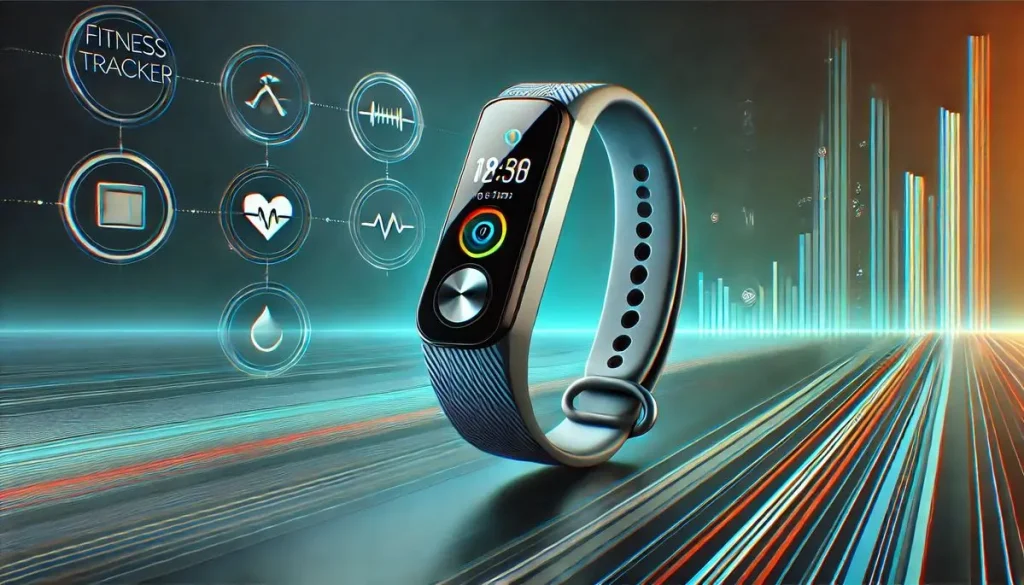
Buying a fitness tracker without proper research often leads to disappointment. Reviews provide valuable information that helps buyers choose a device matching their lifestyle and budget.
A good review helps you:
- Compare features easily
- Understand battery life
- Evaluate accuracy
- Learn about app compatibility
- Compare prices
- Discover hidden limitations
- Find the best value
Instead of purchasing based on advertisements, reading a detailed Best Fitness Trackers Review allows you to make a smarter investment.
Detailed Step-by-Step Guide
Step 1: Identify Your Fitness Goals
Before shopping, determine what you want to achieve.
Examples include:
- Weight loss
- Running
- Walking
- Cycling
- Swimming
- Strength training
- Better sleep
- Heart health
Different trackers excel at different activities.
Step 2: Choose the Right Display
Fitness trackers generally come with:
AMOLED Display
Pros:
- Bright colors
- Better outdoor visibility
- Premium appearance
Cons:
- Higher price
- Slightly lower battery life
LCD Display
Pros:
- Lower cost
- Good battery performance
Cons:
- Less vibrant
- Harder to see in sunlight
Step 3: Check Health Monitoring Features
Modern trackers offer various health metrics.
Look for:
- Continuous heart rate monitoring
- Sleep tracking
- Blood oxygen sensor
- Stress monitoring
- Women’s health tracking
- Breathing exercises
Only pay for features you’ll actually use.
Step 4: Battery Life Matters
Battery performance varies greatly.
Typical ranges:
- Basic trackers: 7–20 days
- Mid-range devices: 5–14 days
- Premium smartwatches: 1–5 days
Long battery life reduces charging interruptions.
Step 5: Consider GPS Requirements
There are two main options.
Connected GPS
Uses your smartphone’s GPS.
Advantages:
- Lower price
- Better battery life
Disadvantages:
- Requires carrying your phone
Built-in GPS
Works independently.
Advantages:
- Accurate route tracking
- Phone-free workouts
Disadvantages:
- More expensive
- Shorter battery life
Step 6: Check Smartphone Compatibility
Ensure your fitness tracker works with your phone.
Most support:
- Android
- iPhone
Verify app support before purchasing.
Step 7: Water Resistance
If you swim or exercise outdoors, choose a waterproof device.
Look for:
- 5 ATM
- IP68
- Water-resistant certification
These ratings protect against sweat, rain, and swimming.
Step 8: Compare Price vs Features
Higher prices don’t always mean better value.
Budget options often include:
- Heart rate
- Sleep tracking
- Step counting
- Notifications
Premium devices add:
- ECG
- Advanced GPS
- Music storage
- Contactless payments
- Voice assistants
Buy according to your needs.
Benefits of Best Fitness Trackers
Using a quality fitness tracker provides many advantages.
- Encourages daily movement
- Tracks exercise progress
- Improves workout consistency
- Helps manage weight
- Monitors heart rate
- Tracks sleep quality
- Provides health insights
- Increases motivation
- Supports goal setting
- Measures calorie burn
- Sends inactivity reminders
- Offers workout guidance
- Stores long-term fitness data
- Integrates with health apps
- Makes exercise more enjoyable
Disadvantages / Risks
Although useful, fitness trackers have some limitations.
- Premium models are expensive
- Sensor accuracy varies
- Battery requires regular charging
- Some features need subscriptions
- GPS may drain battery quickly
- Notifications can become distracting
- Sleep tracking isn’t always perfect
- Data privacy concerns
- Small screens limit interaction
- Older phones may have compatibility issues
Understanding these drawbacks helps set realistic expectations.
Common Mistakes to Avoid
Many buyers make avoidable mistakes.
Buying Based Only on Price
The cheapest tracker may lack essential features.
Ignoring Battery Life
Frequent charging becomes frustrating.
Overlooking Compatibility
Always confirm support for your smartphone.
Paying for Unused Features
Advanced sensors are unnecessary for casual users.
Ignoring Comfort
You’ll wear the tracker daily.
Choose a lightweight and comfortable design.
Not Reading User Reviews
Real-world experiences often reveal issues advertisements don’t mention.
Expecting Medical Accuracy
Fitness trackers are wellness devices—not medical equipment.
FAQs
Are fitness trackers accurate?
Most modern fitness trackers provide reasonably accurate estimates for steps, heart rate, and calories. However, slight differences are normal depending on movement, sensor quality, and placement.
Which fitness tracker is best for beginners?
Beginners should choose a simple tracker with step counting, heart rate monitoring, sleep tracking, and long battery life rather than expensive advanced models.
Can fitness trackers help with weight loss?
Yes. They encourage daily activity, monitor calories burned, and help users maintain consistent exercise habits, making weight management easier.
How long do fitness trackers last?
Most quality fitness trackers last between three and five years with proper care, although battery performance gradually declines over time.
Are expensive fitness trackers worth buying?
They are worthwhile for athletes or users needing advanced metrics like ECG, built-in GPS, training analysis, or premium health features. Casual users often find mid-range models sufficient.
Can I wear a fitness tracker while sleeping?
Yes. Many devices are specifically designed for overnight use and provide valuable insights into sleep stages, duration, and recovery.
Do fitness trackers require a smartphone?
Most trackers work best when paired with a smartphone for syncing data, viewing reports, and updating software, although basic tracking functions often work independently.
Expert Tips & Bonus Points
To maximize your investment, follow these expert recommendations.
- Wear the tracker snugly for better sensor accuracy.
- Keep software updated.
- Clean the sensor regularly.
- Enable automatic activity detection.
- Review weekly fitness reports.
- Set achievable daily goals.
- Use sleep tracking consistently.
- Turn off unnecessary notifications.
- Charge before long workouts.
- Compare app ecosystems before buying.
- Focus on long-term progress rather than daily fluctuations.
- Replace worn straps for improved comfort.
Bonus Tip:
Consistency matters more than expensive hardware. A moderately priced fitness tracker used every day delivers far greater results than a premium device left in a drawer.
Conclusion
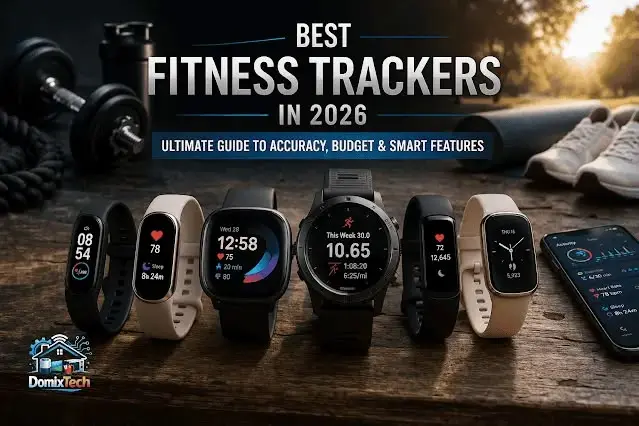
Choosing the right fitness tracker is about much more than buying the newest gadget or the most expensive wearable on the market. It is about finding a device that matches your personal goals, daily routine, fitness level, and budget. As highlighted throughout this Best Fitness Trackers Review, today’s fitness trackers offer an impressive range of features that can help people of all experience levels stay active, monitor their health, and maintain motivation over the long term. Whether you are taking your first steps toward a healthier lifestyle or looking to improve your athletic performance, the right fitness tracker can become a valuable companion throughout your fitness journey.
One of the biggest advantages of modern fitness trackers is their ability to turn everyday activities into measurable progress. Simple tasks like walking to work, taking the stairs instead of the elevator, or going for an evening jog can all be recorded and analyzed. Seeing your daily step count increase or watching your weekly activity improve creates a sense of accomplishment that encourages you to keep going. Small improvements made consistently over weeks and months often lead to significant health benefits, and a fitness tracker helps make those improvements visible.
For beginners, a fitness tracker provides structure and guidance without being overwhelming. Instead of guessing how active you have been during the day, you receive accurate information about your movement, heart rate, calories burned, and sleep quality. These insights make it easier to identify areas where you can improve. For example, if your tracker shows that you are only walking 4,000 steps a day, you can gradually work toward a goal of 8,000 or 10,000 steps. Likewise, if your sleep data reveals that you are not getting enough deep sleep, you can adjust your bedtime routine and monitor your progress over time.
Intermediate users and fitness enthusiasts benefit even more from advanced tracking features. Devices equipped with built-in GPS, multiple sports modes, recovery monitoring, heart rate zones, and detailed workout analysis allow users to train smarter rather than simply training harder. Instead of relying on guesswork, you can monitor performance trends, optimize workout intensity, and avoid overtraining. This data-driven approach helps improve endurance, strength, and overall fitness while reducing the risk of injury caused by excessive training.
Another important point to remember is that expensive does not always mean better. Many affordable fitness trackers now include features that were once available only in premium models. Step tracking, heart rate monitoring, sleep analysis, stress tracking, smartphone notifications, and water resistance are now common in budget-friendly devices. If your primary goal is improving your daily activity or monitoring your general health, you may not need to spend hundreds of dollars on a high-end smartwatch. Instead, focus on purchasing a device that offers reliable performance, comfortable wear, long battery life, and the specific features you will actually use every day.
Battery life is another factor that should not be overlooked. A fitness tracker that lasts one to two weeks on a single charge is often more convenient than one that requires daily charging. Long battery life ensures continuous tracking of your workouts, sleep, and daily activity without constant interruptions. This is especially important for people who travel frequently or maintain busy schedules. Comfort is equally important because the best fitness tracker is one that you can wear throughout the day and night without discomfort. Lightweight materials, adjustable straps, and durable construction contribute to a better overall experience.
It is also worth understanding the limitations of fitness trackers. Although modern sensors have become increasingly accurate, no wearable device is perfect. Measurements such as calorie burn, sleep stages, blood oxygen levels, and heart rate are estimates rather than medical diagnoses. Therefore, fitness trackers should be viewed as helpful wellness tools instead of professional medical equipment. If you have concerns about your health or notice unusual readings, it is always advisable to consult a qualified healthcare professional rather than relying solely on wearable technology.
Privacy and data security are additional considerations when selecting a fitness tracker. Most devices collect personal health information and synchronize it with cloud-based applications. Before purchasing, take some time to review the manufacturer’s privacy policy and understand how your information is stored and used. Choosing reputable brands that regularly update their software and security systems can help protect your personal data while ensuring continued device performance.
Another valuable feature offered by many fitness trackers is goal setting. Daily reminders to stand, move, exercise, or drink water help users build healthy habits over time. Instead of making dramatic lifestyle changes overnight, you can gradually improve your routine through achievable daily targets. These small accomplishments often provide the motivation needed to stay committed to long-term health and fitness goals. The ability to view weekly, monthly, and yearly progress also makes it easier to celebrate milestones and recognize how far you have come.
When comparing devices, remember to evaluate more than just the specifications listed on the product box. Consider the overall user experience, including the quality of the companion smartphone app, software updates, ease of navigation, customer support, and community features. A well-designed app with clear graphs, personalized insights, and simple controls can greatly enhance your experience and make your fitness data easier to understand. Reading customer reviews and expert opinions before making a purchase can also help you identify strengths and weaknesses that may not be immediately obvious.
Ultimately, the purpose of a fitness tracker is to support healthier habits rather than replace personal effort. No wearable device can exercise for you, improve your diet, or guarantee better health. However, it can provide the motivation, accountability, and information needed to make smarter decisions every day. When combined with regular physical activity, balanced nutrition, sufficient sleep, and consistency, a fitness tracker becomes a powerful tool for improving overall well-being.
This Best Fitness Trackers Review demonstrates that there is no single perfect device for everyone. The ideal fitness tracker depends on your individual priorities, whether that means affordability, advanced training features, stylish design, long battery life, or comprehensive health monitoring. By clearly identifying your needs, comparing available options, and focusing on features that genuinely support your lifestyle, you can confidently invest in a device that delivers lasting value.
As wearable technology continues to evolve, fitness trackers will become even more accurate, intelligent, and capable of providing personalized insights into our health and fitness. Investing in the right device today not only helps you monitor your current progress but also encourages lifelong healthy habits. With the knowledge shared in this guide, you are now well-equipped to choose a fitness tracker that aligns with your goals, keeps you motivated, and supports your journey toward a healthier, more active, and more balanced lifestyle for years to come.