


Introduction
Every athlete, whether a beginner or an experienced competitor, wants to perform at their highest level. Success in sports is not determined by talent alone. It requires consistent training, proper nutrition, adequate recovery, and smart lifestyle habits. Following the best fitness tips for athletes can help improve physical performance while reducing the risk of injuries.
Fitness is more than building muscles or running faster. It involves developing strength, endurance, flexibility, balance, coordination, and mental focus. Athletes who train with a structured plan often see better results than those who rely only on hard work. Small improvements made every day can lead to remarkable progress over time.
The best fitness tips for athletes also include maintaining healthy eating habits, staying hydrated, getting quality sleep, and allowing the body enough time to recover. These factors work together to enhance athletic performance and support long-term health.
Whether you participate in football, basketball, cricket, tennis, athletics, swimming, cycling, or any other sport, understanding the right fitness strategies can help you reach your goals faster. This comprehensive guide explains everything you need to know, from building a strong training routine to avoiding common mistakes, so you can become a stronger, healthier, and more confident athlete.
What is Best Fitness Tips for Athletes?

The best fitness tips for athletes refer to a collection of proven training methods, healthy lifestyle habits, and recovery strategies designed to improve athletic performance. These tips help athletes build stronger muscles, increase endurance, improve flexibility, and develop better speed and agility.
Unlike general fitness advice, athletic fitness focuses on sport-specific performance. A sprinter needs explosive power, while a marathon runner requires exceptional endurance. Similarly, a football player needs agility, strength, and quick decision-making skills.
An effective fitness routine usually combines several key components:
- Strength training
- Cardiovascular exercise
- Flexibility training
- Mobility exercises
- Balanced nutrition
- Hydration
- Mental conditioning
- Recovery techniques
When these elements work together, athletes become more capable of handling intense physical demands while minimizing injury risks.
Why is Best Fitness Tips for Athletes Important?

Athletic performance depends on much more than natural ability. Proper fitness habits prepare the body for intense training sessions and competitive events.
Here are some reasons why following the best fitness tips for athletes is essential:
- Improves overall strength and endurance
- Increases speed and agility
- Enhances balance and coordination
- Reduces the likelihood of injuries
- Speeds up recovery after training
- Improves concentration during competition
- Supports long-term athletic development
- Builds confidence and consistency
Athletes who maintain healthy fitness habits are often able to train more effectively and recover faster between sessions.
Detailed Step-by-Step Guide
Step 1: Set Clear Fitness Goals
Before beginning any training program, define your objectives.
Examples include:
- Increase sprint speed
- Build muscle strength
- Improve endurance
- Lose excess body fat
- Enhance flexibility
- Prepare for an upcoming competition
Specific goals make it easier to track progress and stay motivated.
Step 2: Follow a Structured Training Plan
A balanced training schedule prevents overtraining while ensuring all fitness areas receive attention.
A weekly routine may include:
- Strength training
- Cardio sessions
- Speed drills
- Mobility exercises
- Recovery days
- Sport-specific practice
Consistency matters more than occasional intense workouts.
Step 3: Focus on Strength Training
Strength is the foundation of athletic performance.
Include compound exercises such as:
- Squats
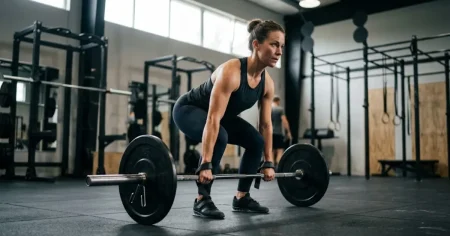
- Deadlifts
- Bench Press
- Pull-Ups
- Lunges
- Shoulder Press
These exercises strengthen multiple muscle groups and improve athletic power.
Beginners should focus on proper technique before increasing weight.
Step 4: Improve Cardiovascular Endurance
Good endurance allows athletes to perform longer without becoming exhausted.
Popular cardio exercises include:
- Running
- Cycling
- Swimming
- Jump rope
- Rowing
- High-intensity interval training (HIIT)
Mix steady-state cardio with interval workouts for the best results.
Step 5: Train Speed and Agility
Many sports require quick movements and fast reactions.
Useful agility drills include:
- Ladder drills
- Cone drills
- Shuttle runs
- Sprint intervals
- Reaction training
These exercises improve coordination and explosive movement.
Step 6: Never Skip Warm-Up
A proper warm-up prepares muscles and joints for exercise.
Spend at least 10–15 minutes doing:
- Light jogging
- Dynamic stretching
- Mobility exercises
- Sport-specific movements
Warming up reduces stiffness and lowers injury risk.
Step 7: Prioritize Flexibility and Mobility
Flexible muscles move more efficiently.
Include exercises such as:
- Dynamic stretches before workouts
- Static stretches after workouts
- Foam rolling
- Yoga
- Mobility drills
Improved mobility supports better posture and movement quality.
Step 8: Eat a Balanced Diet
Nutrition fuels athletic performance.
Athletes should consume:
- Lean proteins for muscle repair
- Complex carbohydrates for energy
- Healthy fats for hormone production
- Fruits and vegetables for vitamins
- Whole grains for sustained energy
Avoid excessive processed foods and sugary drinks.
Step 9: Stay Hydrated
Water plays an important role in muscle function and temperature regulation.
Hydration tips include:
- Drink water before exercise.
- Sip water during workouts.
- Replace fluids after training.
- Increase water intake during hot weather.
Even mild dehydration can negatively affect athletic performance.
Step 10: Get Enough Sleep
Sleep is when the body repairs itself.
Most athletes should aim for:
- 7–9 hours of quality sleep each night.
Benefits include:
- Faster muscle recovery
- Better concentration
- Improved reaction time
- Enhanced hormone balance
- Reduced fatigue
Poor sleep can reduce training effectiveness and increase injury risk.
Step 11: Allow Proper Recovery
Recovery is just as important as training.
Recovery methods include:
- Rest days
- Light walking
- Stretching
- Massage
- Foam rolling
- Ice baths when necessary
Training every day without recovery often leads to burnout and injuries.
Step 12: Monitor Your Progress
Track important performance indicators such as:
- Running speed
- Strength gains
- Body measurements
- Workout consistency
- Endurance improvements
Regular assessments help identify areas that need improvement.
Benefits of Best Fitness Tips for Athletes
Following the best fitness tips for athletes provides long-term advantages that go beyond improving sports performance. Consistent training, proper nutrition, and effective recovery habits contribute to both physical and mental well-being.
Some of the key benefits include:
Improved Strength: Stronger muscles generate more power and support better movement during sports.
Greater Endurance: Increased stamina allows athletes to perform at a high level for longer periods.
Better Speed and Agility: Speed drills and agility exercises enhance quickness and reaction time.
Reduced Risk of Injuries: Strong muscles, flexible joints, and proper warm-ups help prevent common sports injuries.
Faster Recovery: Healthy nutrition, hydration, and quality sleep allow muscles to recover more efficiently.
Enhanced Mental Focus: Regular exercise improves concentration, confidence, and decision-making under pressure.
Improved Balance and Coordination: Better body control leads to more efficient movement patterns.
Higher Energy Levels: Proper fitness habits help athletes stay energized throughout training and competition.
Better Body Composition: A balanced routine supports lean muscle development while reducing excess body fat.
Long-Term Athletic Success: Consistency builds a strong foundation for sustained improvement and peak performance.
Disadvantages / Risks
Although the best fitness tips for athletes are highly beneficial, improper application can lead to setbacks. Understanding these risks helps athletes train more safely and effectively.
Overtraining: Exercising without enough rest can lead to fatigue, reduced performance, and injury.
Poor Technique: Incorrect exercise form increases the likelihood of muscle strains and joint problems.
Ignoring Recovery: Skipping rest days prevents muscles from repairing and growing stronger.
Unbalanced Nutrition: Inadequate calorie or nutrient intake can reduce energy and slow recovery.
Dehydration: Not drinking enough water negatively affects endurance, focus, and muscle function.
Burnout: Constant physical and mental stress can reduce motivation and enjoyment of sports.
Training Too Hard Too Soon: Rapid increases in workout intensity may cause injuries or overuse conditions.
These risks can be minimized by following a structured training program and listening to your body’s signals.
Common Mistakes to Avoid
Even dedicated athletes sometimes make errors that slow their progress. Avoiding these common mistakes can help you achieve better results.
- Skipping Warm-Ups
Jumping straight into intense exercise increases the risk of injury. Always spend time preparing your body with dynamic movements.
- Neglecting Recovery
Training every day without rest limits muscle growth and increases fatigue.
- Poor Nutrition Choices
Relying on junk food or skipping meals deprives your body of the nutrients needed for recovery and performance.
- Not Drinking Enough Water
Even slight dehydration can reduce endurance, coordination, and concentration.
- Using Incorrect Exercise Form
Improper technique places unnecessary stress on joints and muscles. Learn correct form before increasing weight or intensity.
- Focusing Only on One Type of Exercise
Athletes need a combination of strength, endurance, flexibility, mobility, and sport-specific training for balanced development.
- Ignoring Pain
There is a difference between normal muscle soreness and injury. Persistent pain should never be ignored.
- Setting Unrealistic Goals
Trying to progress too quickly often leads to disappointment or injury. Gradual improvement is more sustainable.
Frequently Asked Questions (FAQs)
What are the best fitness tips for athletes?
The best fitness tips for athletes include following a structured workout plan, eating a balanced diet, staying hydrated, getting enough sleep, performing proper warm-ups, incorporating strength and cardio training, and allowing adequate recovery time.
How many days should athletes train each week?
Most athletes benefit from training 4 to 6 days per week, depending on their sport, experience level, and recovery ability. Rest days are essential for muscle repair and injury prevention.
Why is nutrition important for athletes?
Nutrition provides the energy required for training and competition. Protein supports muscle repair, carbohydrates supply fuel, healthy fats assist hormone production, and vitamins and minerals promote overall health.
How much sleep do athletes need?
Most athletes should aim for 7 to 9 hours of quality sleep each night. Adequate sleep improves recovery, reaction time, focus, and physical performance.
Can beginners follow these fitness tips?
Yes. Beginners can safely apply these principles by starting with moderate workouts, learning proper exercise techniques, and gradually increasing intensity over time.
How important is recovery after exercise?
Recovery is one of the most important parts of athletic training. Rest allows muscles to rebuild, reduces soreness, and helps prevent overtraining and injuries.
Should athletes lift weights?
Yes. Strength training improves power, stability, and injury resistance. Athletes should focus on proper technique and progressively increase resistance as they become stronger.
How can athletes stay motivated?
Setting realistic goals, tracking progress, training with partners, celebrating small achievements, and maintaining a consistent routine can help athletes stay motivated over the long term.
Expert Tips & Bonus Points
To maximize the benefits of the best fitness tips for athletes, consider these expert recommendations:
- Create a weekly training schedule and stick to it.
- Focus on consistency rather than perfection.
- Increase workout intensity gradually.
- Prioritize exercise quality over quantity.
- Include mobility work several times each week.
- Record workouts in a training journal to monitor progress.
- Eat a nutritious meal within two hours after training.
- Replace worn-out athletic shoes to reduce injury risk.
- Practice breathing techniques to improve endurance and concentration.
- Learn proper movement mechanics before lifting heavier weights.
- Listen to your body and adjust your training when needed.
- Stay patient, as lasting fitness improvements take time and dedication.
conclusion
Achieving peak athletic performance requires much more than talent or hard work alone. Success comes from following a balanced approach that combines effective training, proper nutrition, quality sleep, hydration, flexibility, and adequate recovery. By consistently applying the best fitness tips for athletes, you can improve strength, endurance, speed, coordination, and overall physical fitness while lowering the risk of injuries.
Every athlete progresses at a different pace, so it’s important to focus on personal improvement rather than comparing yourself with others. Setting realistic goals, maintaining consistency, and paying attention to recovery are key factors that support long-term success. Even small daily improvements can produce significant results over time.
Remember that fitness is a lifelong journey. Building healthy habits today will not only improve your current athletic performance but also support your overall health and well-being in the future. Stay disciplined, train with purpose, fuel your body with nutritious foods, and allow yourself enough time to recover.
Whether you are preparing for your first competition or aiming to reach a higher level in your sport, these strategies provide a solid foundation for success. Keep learning, stay committed to your goals, and enjoy the process of becoming a stronger, healthier, and more confident athlete.